



What if one simple method could show you exactly where your business stands—and what steps to take next? After working with many small business owners over the years, I’ve seen how a basic SWOT analysis can make a real difference. It’s not some fancy strategy tool. It’s a clear way to spot what you’re good at, where you need work, what’s possible, and what might get in the way. In a world that moves fast, every small business needs a tool like this to stay steady and grow.
Reason 1 – Discover Your Internal Strengths to Leverage Your Small Business Advantages
Identify what sets your business apart
Start by asking what you do better than others. It could be great customer service, a loyal base, or a product people love. These strengths are what make your business special. When you know them, you can use them in your marketing. Clear strengths help you stand out and connect with the right people. Instead of guessing, you promote what’s already working.
Strengths support smarter goal-setting and resource focus
Your strengths should shape your goals. If your team handles support well, focus on referrals instead of ads. If your operations are efficient, think about scaling. Use what you’re already good at to guide your time, money, and energy. That way, you grow without wasting effort. Knowing your strengths makes it easier to decide what’s next and where to invest.
Reason 2 – Recognize Weaknesses Early to Prevent Business Risks
Spot internal limitations before they cost you
Every business has weak spots. Maybe it’s poor time management, limited skills, or outdated tools. Ignoring these can lead to lost money or unhappy customers. The sooner you spot them, the easier they are to fix. Ask your team or even your customers what could be better. Honest feedback now can save you big problems later.
Why awareness of weaknesses is key to proactive fixes
Knowing your limits helps you act before things break. You can train your team, upgrade tools, or improve how work gets done. Fixing problems early builds confidence. It shows your business cares about doing things right.
Turn weaknesses into growth chances
Some flaws can become your strengths. A small team? That can mean personal service. Slow workflow? Maybe it’s a chance to find a better system. Don’t hide the weak spots. Use them to grow and improve.
How turning internal weaknesses around becomes future strengths
Start with a simple plan. Pick a weak area, set a goal, and take small steps. As you fix each issue, you’re building a stronger, smarter business. Those old problems can turn into your next big advantage.
Reason 3 – Harness External Opportunities to Grow Your Small Business
Explore New Markets, Trends, and Unfolding Chances
A SWOT analysis helps you spot what’s happening outside your business. It shows trends, customer needs, and market shifts. You might find new local demand, online sales growth, or chances to partner with others. Maybe a nearby town lacks your service. Or a popular product type is missing in your area. Even small changes—like joining a community event—can open new doors.
Match Opportunities with Strengths for Best Results
Not every opportunity fits your business. Focus on the ones that match what you already do well. If your team delivers great service, consider expanding it. If your products have loyal fans, try launching a new version. Matching your strengths to new openings keeps growth smart and manageable.
Reason 4 – Alert Yourself to Threats That Could Harm Your Business
Identify External Risks Like Competition, Regulations, or Cost Increases
External threats come from outside your business and can cause problems. These include new competitors, changes in laws, or rising costs for supplies and labor. Spotting these risks early helps you stay prepared and avoid surprises that could hurt your business.
Use SWOT Threats Analysis to Prepare Contingency Plans
A SWOT analysis lets you find these threats before they become big issues. With this insight, you can make plans to handle challenges, like cutting costs, adjusting your offerings, or keeping up with rules. Being ready helps you act quickly and keeps your business steady, even when things change.
Reason 5 – Make Better Decisions and Plans with Clear Insight
A SWOT analysis helps you see the full picture of your business. It balances what you do well with areas to improve, plus chances and risks outside your control. This way, you make smarter choices.
Use SWOT to Weigh Pros and Cons for Big Decisions
When you need to decide on things like growing your business, setting prices, or hiring staff, a SWOT breaks down the good and the bad. For example, if you want to expand, knowing your strong points and limits helps you decide if it’s the right time.
Turn SWOT Findings into Real Plans and Goals
Don’t just list strengths and weaknesses—use them to create clear actions. If your SWOT shows a chance to grow online but also warns of new competitors, set goals to improve your website and connect with customers. Review your plan often to stay on track.
Using SWOT this way gives your business a clear path forward.
Unique Added Topics You Won’t Find in Competitor Articles
How Regular SWOT Reviews Help Small Businesses Stay Flexible in Changing Markets
Small businesses face constant changes. Checking your SWOT regularly helps you spot problems early and grab new chances. For example, if a local store opens nearby or sales drop in a season, updating your SWOT helps you adjust fast. This keeps your business ready for whatever comes next.
Simple Tips for Small Business Owners to Run a Team SWOT Session at Home
Doing SWOT alone can miss important ideas. Invite your team, mentors, or loyal customers to join. Use easy tools like printed sheets or quick surveys to gather thoughts. Ranking the most important points keeps things focused. Getting others involved builds a better plan everyone understands.
How to Conduct a SWOT Analysis Effectively for Your Small Business
Step 1 – Get Different Views from Your Team and Customers
Start by gathering input from the people who know your business best—your team, trusted advisors, and loyal customers. Everyone sees things from a different angle, and those different views can help you get a more complete picture. Your staff might notice daily issues you’ve missed. Your customers might point out what they love—or don’t love—about your product or service. When you listen to a range of voices, your SWOT becomes more honest and helpful.
Step 2 – Use a Simple 2×2 Grid to Organize Your Ideas
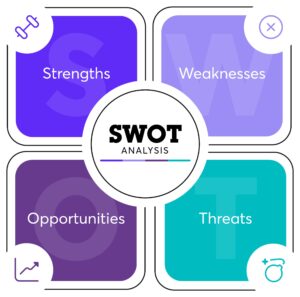
Now it’s time to lay everything out. Draw a square and divide it into four boxes. Label them Strengths, Weaknesses, Opportunities, and Threats. This setup helps you keep your ideas organized and easy to follow. It’s not just a way to keep things neat—it also makes it easier to spot patterns, gaps, or areas that need more thought. And if you’re sharing your analysis with others, a clean format helps everyone stay on the same page.
Step 3 – Focus on the Top Two or Three Things in Each Box
It can be tempting to fill each box with as many points as you can think of. But too many details can overwhelm the process. Instead, focus on the two or three points that matter most in each section. What strengths truly give you an edge? What weaknesses could really hold you back? Which opportunities could change your path? What threats do you need to prepare for right now? This kind of focus helps you move from thinking to doing.
Step 4 – Turn Your Findings into Clear Action Steps
A SWOT analysis isn’t just about reflection—it’s about moving forward. Once you’ve filled in your grid and picked your priorities, take the next step. Turn what you’ve learned into real actions. If you noticed a strength, think about how to use it more. If you saw a threat, come up with a plan to avoid it. Assign tasks to the right people, set clear timelines, and include these actions in your business plan. That way, your SWOT becomes more than just a chart—it becomes a roadmap.
FAQs for 5 Reasons Every Small Business Should Use a SWOT Analysis
Q1: What exactly is a SWOT analysis and why should my small business use it?
A SWOT analysis looks at what your business does well, where it can improve, what chances are out there, and what problems might come up. It’s a simple way to understand your business better and plan smarter.
Q2: How often should I do a SWOT analysis for my small business?
Doing a SWOT once a year is good, but checking it every few months helps you stay ready for changes and new opportunities.
Q3: Can I do a SWOT analysis by myself, or do I need a team?
You can definitely start on your own. But asking your employees or customers for their thoughts can give you a clearer picture.
Q4: How does a SWOT analysis help with making business plans?
It helps you see what’s working and what’s not, so you can make better decisions and set goals that really fit your situation.
Q5: What should I avoid when doing a SWOT analysis?
Try not to list too many things. Focus on the most important two or three points in each area so it’s easier to act on what matters.
Q6: How can a SWOT analysis help me find new chances to grow my business?
By looking outside your business for trends or opportunities, you can spot ideas that match your strengths and help your business move forward.
Q7: Is a SWOT analysis only useful for new businesses?
No, it works for any small business. New or old, it helps you plan better and adjust when things change.
Conclusion
A SWOT analysis helps small businesses understand what’s working and what needs attention. It shows where to build on strengths, fix problems, spot new chances, and avoid surprises. This simple tool guides better choices and clearer plans. Checking your SWOT often keeps your business ready for whatever comes next. For any small business owner wanting to stay on track and grow, using SWOT regularly is a smart and easy habit to start now. It’s also one of the key elements of business plan strategies that keeps your goals grounded and decisions focused.