



A strong hotel business plan gives structure, sets goals, and keeps daily operations running smoothly. The right plan can turn even small hotels into successful ventures. In this guide, you’ll learn how to Master Your Hotel Business Plan & Streamline Operations, simplify day-to-day tasks, and create a steady path toward growth, profit, and happier guests.

Laying the Foundation: Key Components of a Hotel Business Plan
Executive Summary: Crafting a Compelling Overview
Start strong with your executive summary—it’s the heart of your hotel business plan & marketing. Share your mission, highlight what makes your hotel unique, and mention key financial insights. Since most readers skim this section first, keep it clear, engaging, and straight to the point. Every word should add value and create interest, offering a concise overview that makes people want to read more.
Defining Your Hotel’s Mission, Vision, and Core Values
Explain why your hotel exists, not just what it offers. A clear mission guides every decision. Share your vision for the future and define your core values. These form the foundation of your business and help your team and guests understand what you stand for.
Conducting a Thorough Market Analysis
Show that you understand your market. Include trends, guest needs, and key factors that could affect your hotel. This gives your plan credibility and helps you make smarter decisions.
Identifying Target Guests and Market Trends
Be specific about your audience. Define who stays with you—families, business travelers, couples, or niche groups. Understanding guest habits and preferences helps you tailor services and marketing strategies effectively.
Assessing Local Competition and Market Demand
Know your nearby competitors. Analyze their offerings and spot gaps you can fill. Highlight what sets your hotel apart. This insight helps you create a strong unique selling point and attract more guests.
Setting Realistic Goals and Financial Projections
Show the numbers. Clear, realistic goals help you grow steadily and measure success along the way.
Establishing Revenue Targets and Profit Margins
Estimate your income from rooms, food, and other services. Use these figures to set achievable profit targets. Being realistic now prevents stress later and guides smarter business decisions.
Budgeting for Operational Costs and Investments
List your main expenses—staff, utilities, supplies, and technology. Plan wisely for investments that streamline operations and improve efficiency. A solid budget keeps your hotel financially healthy and prepared for growth.
Streamlining Hotel Operations for Efficiency
Implementing Standard Operating Procedures (SOPs)
Creating clear, step-by-step guides for each department ensures staff follow best practices. SOPs reduce mistakes and maintain high service quality. They also act as training tools, helping new staff get up to speed quickly.
Creating Consistent Processes Across Departments
Repeatable routines keep workflows smooth across front desk, housekeeping, and maintenance. Consistency builds trust with guests and staff alike. Review and update processes regularly to prevent outdated steps from slowing operations.
Training Staff for Consistency and Quality Service
Regular training keeps skills sharp and ensures uniform service. Using checklists helps staff complete tasks accurately and never miss important details.
Leveraging Technology for Operational Efficiency
Utilizing Property Management Systems (PMS)
A modern PMS automates bookings, arrivals, payments, and housekeeping schedules. Connecting it with other tools creates smoother workflows and reduces manual work.
Integrating Online Booking Platforms and Channel Managers
Synchronizing booking platforms with your PMS prevents double bookings and keeps room availability accurate. Updating rates and availability across channels ensures competitiveness and guest satisfaction.
Optimizing Housekeeping and Maintenance Schedules
Establishing Regular Cleaning and Maintenance Routines
Using checklists for daily room cleaning and lobby upkeep ensures reliability. Assigning tasks based on occupancy or demand helps staff save time and work efficiently.
Implementing Preventive Maintenance Programs
Routine checks for HVAC, elevators, fire alarms, and other systems keep guests safe and comfortable. Digital checklists and maintenance software help automate tasks, track history, and reduce unexpected costs. Monitoring trends over time improves efficiency and extends equipment life.

Enhancing Guest Experience Through Operations
Personalizing Guest Interactions and Services
In today’s hospitality world, personalization makes a big difference. Hotels can improve guest satisfaction by recognizing individual preferences and offering services tailored to each guest. For example, adjusting room settings or providing a personal greeting can make a stay memorable. Using guest profiles helps staff remember details, making every guest feel valued and understood.
Training Staff in Customer Service Excellence
Great service starts with well-trained staff. Training programs help employees handle different guest needs and resolve issues quickly. Focusing on empathy, active listening, and problem-solving strengthens guest interactions. Regular workshops and role-playing exercises reinforce these skills and create a culture of excellent service.
Managing Guest Feedback and Reviews
Guest feedback is key to improving operations. Collecting and reviewing opinions helps hotels spot strengths and areas to improve. Post-stay surveys and online reviews give insights into guest experiences. Addressing concerns promptly shows a hotel cares about satisfaction and improvement.
Encouraging Positive Reviews and Addressing Negative Feedback
Encouraging guests to share positive experiences improves a hotel’s reputation. A simple thank-you message or invitation to leave a review can work wonders. When negative feedback appears, responding quickly and professionally is crucial. Acknowledging the issue and explaining steps to resolve it shows commitment and builds trust.
Implementing Changes Based on Guest Suggestions
Guests often provide ideas that can enhance the hotel experience. Acting on their suggestions shows attentiveness and a willingness to improve. This could mean adjusting room amenities, refining check-in procedures, or adding new services. Regularly reviewing and acting on feedback helps the hotel stay responsive to guest needs and trends.
Financial Management and Profit Optimization
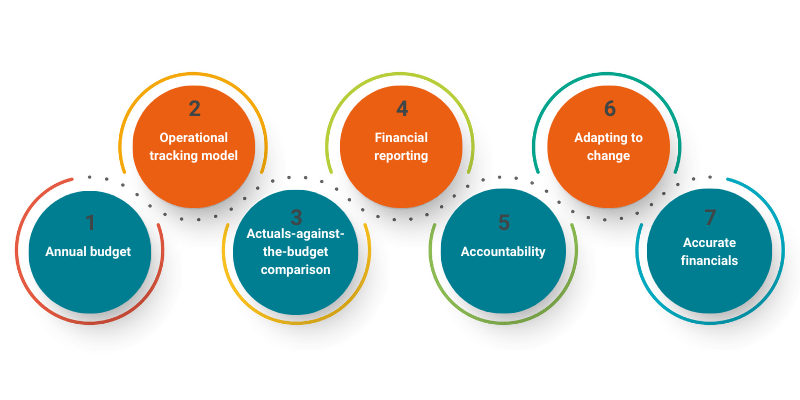
Managing your hotel’s finances well is key to staying profitable and running smoothly. Smart budgeting, cost control, and pricing strategies can make a big difference.
Budgeting and Cost Control Measures
A clear budget helps allocate money efficiently and plan for daily operations or future investments. Regularly reviewing it keeps your hotel ready for unexpected expenses.
Tracking Expenses and Finding Savings
Keep an eye on spending to spot areas to save without cutting quality. Categorize costs, review finances often, and look for smarter ways to buy supplies.
Negotiating with Suppliers
Good relationships with suppliers can lead to better prices. Buy in bulk, consider long-term agreements, or explore alternative vendors to reduce costs.
Revenue Management Strategies
Maximize revenue by forecasting demand, tailoring offers to different guest types, and creating extra income from services like dining, events, or spa facilities.
Dynamic Pricing Models
Adjust room rates based on demand to boost profits. Charge more during busy periods and offer deals when occupancy is low.
Using Revenue Management Tools
Leverage data and tools to forecast demand, set smart prices, and track key metrics like average daily rate and revenue per room.
Monitoring Performance and Continuous Improvement
Establishing Key Performance Indicators (KPIs)
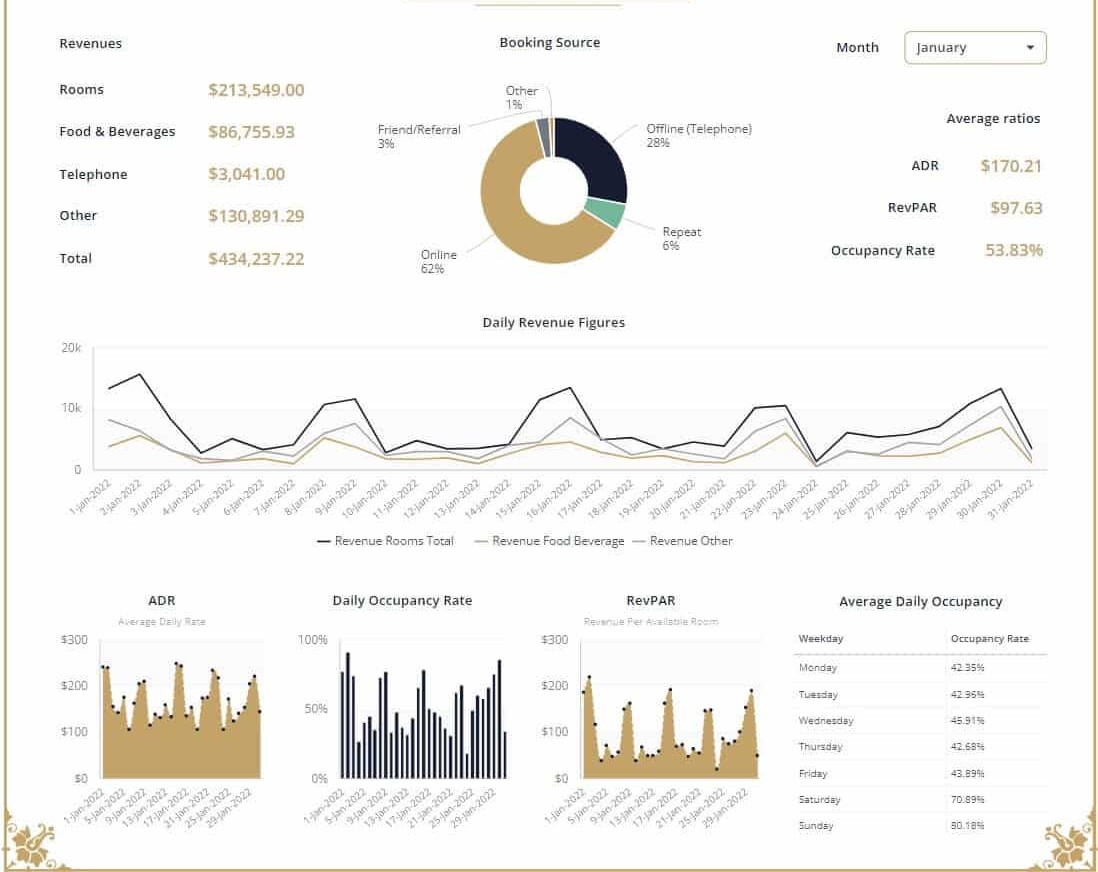
Key Performance Indicators help track your hotel’s performance. Common KPIs include occupancy rate, average daily rate (ADR), revenue per available room (RevPAR), and guest satisfaction scores. Monitoring these metrics shows trends, highlights strengths, and points out areas that need attention.
Tracking Occupancy Rates, ADR, and RevPAR
Watching occupancy, ADR, and RevPAR gives a clear picture of revenue and pricing effectiveness. If numbers drop, you can adjust rates or promotions quickly to boost performance.
Monitoring Guest Satisfaction Scores and Feedback
Guest feedback reflects service quality. Collect reviews and survey responses regularly. Address issues promptly to improve loyalty and enhance your hotel’s reputation.
Conducting Regular Operational Audits
Operational audits review all processes, from check-in to housekeeping. They uncover inefficiencies, compliance gaps, and opportunities to cut costs.
Assessing Operational Efficiency and Identifying Bottlenecks
Analyze workflows, staff performance, and resource use. Spot bottlenecks like slow check-ins or delayed maintenance, then fix them to keep operations smooth.
Implementing Improvements Based on Audit Findings
Use audit insights to revise procedures, train staff, or upgrade equipment. Small changes based on real data create lasting improvements and consistent guest satisfaction.
Frequently Asked Questions (FAQs)
1. What is a hotel business plan, and why do I need one?
A hotel business plan outlines your goals, strategies, and finances. It helps guide decisions, attract investors, and keep operations on track.
2. How do I choose the right Key Performance Indicators (KPIs)?
Pick KPIs that match your hotel’s goals. Common ones include occupancy rate, average daily rate (ADR), revenue per available room (RevPAR), and guest satisfaction.
3. What are effective ways to streamline hotel operations?
Use standard operating procedures, train staff consistently, adopt helpful technology, and regularly review workflows to remove bottlenecks.
4. How can I improve guest satisfaction through operations?
Personalize guest experiences, respond quickly to feedback, and keep service consistent. Small changes can lead to repeat bookings and better reviews.
5. How does technology help in hotel operations?
Technology simplifies booking, property management, guest communication, and feedback collection, making operations smoother and guests happier.
Conclusion:
Creating a solid hotel business plan and streamlining operations is the key to running a successful hotel. Setting clear goals, using the right tools, and improving processes continuously helps your hotel grow and stay competitive. Regularly checking performance, listening to guest feedback, and making small adjustments keep operations smooth and guests happy. A hotel plan isn’t just a document—it’s a practical guide that shapes every decision, drives growth, and ensures a memorable experience for every guest.