



Starting a hotel is exciting, but making it successful takes more than just a great idea. A clear hotel business plan helps you make smart decisions every day, from running operations to growing your brand. By using practical strategies and smart business development, you can attract more guests, increase revenue, and stay ahead of the competition. This guide will show you how to create a hotel business plan that works in the real world and sets your hotel up for long-term success.

Laying the Foundation: Key Components of a Hotel Business Plan
A solid hotel business plan is your roadmap to success. It guides daily operations, growth and decision-making.
Executive Summary: Setting the Vision for Your Hotel
The executive summary gives a snapshot of your hotel’s mission, goals, and unique offerings. It shows investors and partners why your hotel stands out.
Company Overview: Defining Your Hotel’s Identity and Mission
This section explains your hotel’s name, location, ownership, and mission. It highlights your brand values and the experience you promise guests.
Market Analysis: Understanding Industry Trends and Target Audience
Research your market, including local tourism, guest preferences, and spending patterns. Knowing your audience helps you meet their needs effectively.
Competitive Analysis: Identifying Strengths, Weaknesses, Opportunities, and Threats
Analyze competitors to see what works and where gaps exist. Use this insight to position your hotel uniquely and stay competitive.
Marketing Strategy: Crafting Effective Promotional Plans
Plan how to attract and retain guests. Include branding, pricing, promotions, and channels like social media to reach your target audience.
Operational Plan: Streamlining Daily Hotel Operations
Outline daily tasks, staffing, and service standards. Clear processes ensure smooth operations and a consistently positive guest experience.
Financial Projections: Estimating Revenue, Expenses, and Profitability
Forecast income, costs, and profits. This helps with budgeting, planning growth, and measuring the financial health of your hotel.
Smart Business Development Strategies for Hotel Growth
Embracing Technology: Implementing Smart Solutions for Efficiency
Hotels today use technology to make operations smoother and guest experiences better. Smart systems help with bookings, customer service, and room controls. Simple tools, like mobile check-ins or automated room settings, save time for staff and create a modern, personalized stay for guests.
Sustainable Practices: Integrating Eco-Friendly Initiatives
Eco-friendly practices are more than trends—they attract conscious travelers and reduce costs. Hotels save energy with efficient lighting, cut water use, reduce waste, and source local products. These actions show care for the environment and appeal to guests who value sustainability.
Customer-Centric Approach: Enhancing Guest Experience and Satisfaction
Happy guests return and share positive reviews. Personalizing stays, offering flexible check-in, and responding quickly to requests makes visitors feel valued. Paying attention to small details, like favorite amenities or special greetings, strengthens loyalty and builds a positive reputation.
Diversification: Exploring Additional Revenue Streams
Hotels can earn more by offering extra services. Spas, guided tours, events, day-use rooms, and co-working spaces attract new guests and boost income. Diversifying helps hotels stay profitable even during slow seasons.
Strategic Partnerships: Collaborating for Mutual Growth
Working with local businesses, travel services, or tech providers expands reach and adds value. Packages that include dining, tours, or experiences appeal to guests. Partnerships also help hotels adopt new tools and grow efficiently.
Financial Planning: Budgeting and Forecasting for Success
Financial planning is the backbone of a successful hotel. It helps allocate resources wisely, manage risks, and boost profits.
Initial Investment: Estimating Startup Costs
Starting a hotel requires careful planning of initial costs. This includes buying land, construction or renovation, furnishing, equipment, pre-opening marketing, and working capital. Always include a contingency fund for unexpected expenses to avoid financial strain.
Revenue Streams: Identifying and Maximizing Income Sources
Room bookings are the main income, but hotels thrive with multiple revenue streams. Consider event hosting, restaurants, spas, parking, and retail shops. Diversifying income ensures stability even during slow seasons.
Expense Management: Controlling Operational Costs
Managing expenses is key to profitability. Track utilities, labor, and supplies carefully. Use technology to save time and energy. Negotiate with vendors and adjust staffing to match occupancy.
Profitability Analysis: Assessing Financial Health and Sustainability
Regularly review profit and loss statements and key financial ratios. Monitor income versus expenses to ensure sustainable growth. Making adjustments early helps keep your hotel financially healthy.
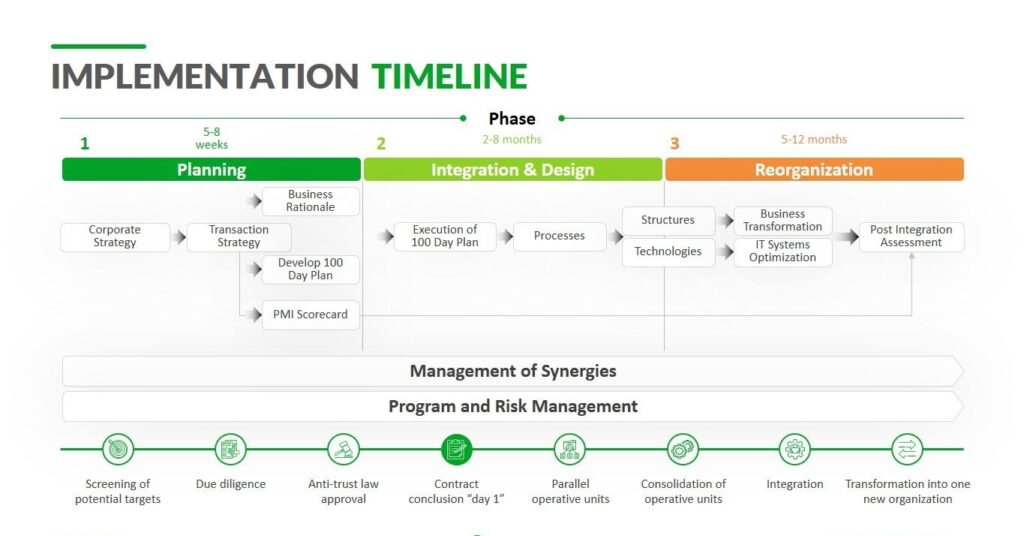
Implementation Timeline: From Concept to Launch
Launching a hotel takes careful planning and smart execution. Breaking it into phases helps ensure success.
Pre-Launch Activities: Planning and Preparation
Before opening, focus on creating a solid business plan and defining your hotel’s identity. Hire key staff, set up operational systems, and secure necessary licenses. Develop a clear brand message that sets your hotel apart. Preparing well at this stage makes the launch smoother and builds a strong foundation.
Launch Phase: Executing the Opening Strategy
The launch is your chance to make a great first impression. Run marketing campaigns, welcome guests with excellent service, and closely monitor daily operations. Collect feedback from early guests to spot issues and fine-tune services quickly.
Post-Launch Review: Evaluating Performance and Making Adjustments
After opening, review financial performance, guest satisfaction, and operational efficiency. Adjust marketing strategies and improve processes based on real-world insights. Continuous evaluation ensures long-term success and keeps your hotel competitive.
Navigating Challenges: Overcoming Common Obstacles in Hotel Business Development
Running a hotel comes with challenges beyond daily operations. From rules and regulations to market shifts, staffing, and technology, each hurdle needs smart planning.
Regulatory Compliance: Understanding Legal Requirements
Hotels must follow local, state, and federal rules, including safety, labor, and health standards. Stay compliant by training your staff, keeping updated on laws, and consulting legal experts when needed.
Market Fluctuations: Adapting to Economic Changes
Economic changes affect bookings and revenue. Protect your business by offering extra services, using flexible pricing, and adjusting plans based on market trends.
Staffing Issues: Recruiting and Retaining Skilled Personnel
Finding and keeping skilled staff is vital. Offer fair pay, provide training, and build a supportive work environment to keep your team motivated.
Technological Challenges: Keeping Up with Industry Innovations
Technology can boost efficiency but moves fast. Adopt smart tools like mobile check-ins, safeguard guest data, and update systems regularly to stay competitive.
Case Studies: Successful Hotel Business Plans in Action
Boutique Hotel Success: Colonial Place Inn & Spa, North Carolina
In New Bern, a boutique hotel focused on personalized guest experiences and local culture. By offering unique rooms, a spa, and a restaurant, it attracted both leisure and business travelers. Success came from attention to detail, community engagement, and a prime location in the historic district.
Chain Hotel Expansion: Marriott’s Growth Strategy
Marriott expanded into smaller cities to meet rising domestic tourism demand. Targeting mid-range hotels, the company adapted to local needs while maintaining quality. This approach shows how strategic location choices and market adaptation can drive chain hotel growth.
Resort Development: Jungle Bay Resort & Spa, Dominica
This eco-friendly resort focused on sustainability and community involvement. Using local labor and recycled materials, it offered cottages, a spa, and wellness programs. Its success highlights the importance of combining environmental care with guest experience.
Future Trends: The Evolution of Hotel Business Planning
Smart Hotels: The Rise of Automation and AI
Hotels are using AI and automation to make stays smoother and operations easier. From chatbots for bookings to smart room controls, technology helps personalize guest experiences while saving time and reducing errors.
Sustainability: The Growing Importance of Eco-Conscious Practices
Eco-friendly practices are becoming essential. Hotels now focus on saving energy, reducing waste, and using local products. Guests appreciate sustainable choices, and these efforts also cut costs.
Personalization: Tailoring Services to Individual Guest Preferences
Guests expect experiences tailored to them. Hotels use data to offer personalized room settings, amenities, and recommendations, boosting satisfaction and loyalty.
FAQs
What is a hotel business plan, and why is it important?
A hotel business plan is a roadmap for your hotel. It guides decisions, helps secure funding, and sets clear goals for growth.
How do I customize a hotel business plan for different types of hotels?
Tailor your plan to your property. Boutique hotels focus on personalized experiences, while resorts highlight amenities and location benefits.
What are the main sections of a hotel business plan?
Key sections include: executive summary, company description, market analysis, marketing strategy, operations plan, and financial projections.
How can technology improve my hotel business?
Technology streamlines operations and enhances guest experience. Examples include online booking, management systems, and smart room controls.
Why is sustainability important in a hotel business plan?
Eco-friendly practices attract conscious travelers and reduce costs. Focus on energy saving, waste reduction, and sourcing local products.
How do I create financial projections for my hotel?
Estimate startup costs, forecast revenue from occupancy rates and room rates, and include staff, maintenance, and marketing expenses.
Should I update my hotel business plan regularly?
Yes. Updating keeps your plan aligned with market trends, operational changes, and new opportunities.
Conclusion
In the end, a hotel business plan is more than a paper—it’s a guide for real success. By using smart strategies, adopting helpful technology, and focusing on sustainability, you can grow your hotel step by step. The hospitality industry keeps changing, so staying flexible is key. Keep updating your plan to match guest needs and market trends. With clear goals and careful planning, your hotel can stand out and thrive. Take what you’ve learned here, start putting it into action, and turn your hotel vision into reality.