



Thinking about funding your business? The path you choose—bootstrapping or investor backing—can shape everything ahead. I’ve worked with startups that grew both ways. One gives you freedom, the other gives you fuel to grow fast. In this guide, I’ll walk you through six key differences that matter, so you can pick the path that fits your goals and vision.
Difference #1: Ownership and Control—How Bootstrapping Keeps You in the Driver’s Seat
Maintaining Full Equity and Decision Power When Bootstrapping
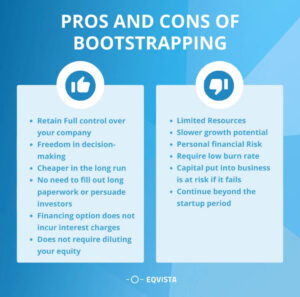
When you bootstrap your business, you own it—completely. There’s no one else calling the shots or signing off on your ideas. You decide how the money is spent, what direction to take, and when to pivot. Every move is yours to make. It’s your vision, your rules, and your pace. You don’t have to answer to a board or worry about keeping investors happy. That freedom gives you the power to build the kind of business you truly believe in.
Investor Funding Often Involves Giving Up Shares and Influence
With outside funding, that freedom comes at a cost. Taking investor money usually means giving up part of your company. In early rounds, that could be a big chunk. As more rounds come in, your ownership can shrink even more. Along with the money comes oversight. Investors may want a say in major decisions, set growth targets, or push for an exit plan that fits their timeline—not yours. You’ll still lead the business, but you won’t always get the final word.
Difference #2: Growth Speed and Scale — Slow and Steady vs Rapid Expansion
Bootstrapped Businesses Grow Organically from Revenue
Bootstrapped startups usually grow by reinvesting what they earn. There’s no outside money, so progress is often slow but steady. Founders stay cautious, making careful decisions and keeping expenses low. Every dollar spent has to count. This approach builds discipline and long-term stability. It might take longer to scale, but many bootstrapped businesses last longer because they focus on profits, not just growth.
Investor Funding Enables Fast Scaling with Bigger Budgets
Startups with investor support can grow at lightning speed. With funding in hand, they can hire fast, launch big, and expand into new markets quickly. They don’t need to wait for revenue to scale—they use investor money to move fast and capture attention. But that speed comes with expectations. Investors want results, and they expect growth. The pressure can be intense, and not every startup can keep up. Still, for founders aiming to dominate a market quickly, investor funding can make it possible.
Difference #3: Financial Risk and Personal Liability for Founders
Personal Savings and Stress in Bootstrapping
When you bootstrap, you’re using your own money to build your business. This often means dipping into savings or taking on personal debt. While you keep full control, the pressure can be intense. Every setback feels personal because your own finances are at risk. This can lead to a lot of stress and worry, especially when cash is tight or sales are slow.
Shared Risk and Expectations with Investors
Bringing in investors means sharing the financial load. You don’t carry all the risk alone. But with their money comes expectations. Investors want to see progress and results. That means you’ll face pressure to meet goals and grow quickly. If things don’t go as planned, you may have to adjust your business or answer to your investors. So, while the money helps, the responsibility and pressure don’t disappear.
Difference #4: Resource Access—Networks, Mentors, and Strategic Support
Bootstrapping Requires DIY Resourcefulness and Independent Learning
When you bootstrap, you often have to figure things out on your own. You rely on your own creativity and the help of close contacts or online groups. It’s a hands-on process where learning comes from trial and error. You try, adjust, and learn as you go. This builds strong problem-solving skills but can sometimes feel isolating without structured guidance or a wide network to lean on.
Investors Bring Industry Connections and Expert Advice
With investor funding, you don’t just get money—you gain access to people and knowledge. Investors often connect you with experienced mentors and useful industry contacts. These relationships can open doors to new opportunities, partnerships, and customers. Plus, investors can offer advice to help you avoid common pitfalls and grow faster. Having this support can make a big difference when scaling your business.
Difference #5: Profitability Focus versus Growth-First Strategy
Bootstrapped Startups Focus on Making a Profit Early
When you bootstrap, making a profit early isn’t just a goal—it’s a necessity. Without outside funding, you need to watch every dollar carefully. This means spending wisely and putting cash flow first. Growing slowly but steadily helps build a solid foundation. It forces you to make smart choices that keep the business healthy and sustainable over time.
Investor-Funded Ventures May Delay Profit to Capture Market
Startups with investor funding often choose a different path. They focus on growing fast and grabbing as much market share as possible, even if that means waiting longer to turn a profit. With extra cash, they can hire, launch new products, and expand quickly. This can lead to big wins, but it also means they face pressure to grow fast and meet investor expectations before profits arrive.
Difference #6: Exit Strategy Expectations and Long-Term Vision
Bootstrapped Businesses Can Choose Slow or No Exit
When you bootstrap your business, you have the freedom to decide if and when you want to exit. Many bootstrapped companies stay small and steady, growing at their own pace without pressure to sell. Some founders prefer to keep their business private and focus on building something that lasts, without rushing to cash out. This gives you control to shape your company around what matters most to you.
Investor-Funded Startups Often Must Deliver a Timed Exit
Investor-backed startups usually face a clock. Investors expect to see returns within a certain time, often through a sale, merger, or going public. This means the company must grow quickly and plan for an exit from early on. Meeting these deadlines can shape many decisions, pushing the startup to scale fast and hit big goals. The pressure to deliver on time is part of the deal when outside money is involved.
Bonus Topic #1: Hybrid Paths—Starting Bootstrapped, Later Raising Funds
Validating Product-Market Fit First Through Revenue
Many founders choose to start their business with their own money. This helps them test if their idea really works. When they earn some sales and see customers interested, it proves their product fits the market. Having this early proof makes it easier and less risky when they decide to ask investors for money later.
Negotiating Better Terms with Traction Before Fundraising
When founders show steady growth and real results, they have more power in talks with investors. This means they can get fairer deals and keep more control of their business. Starting on your own first helps you build a stronger foundation before bringing in outside help to grow faster.
Bonus Topic #2: Financial Metrics and Survival Rates—Which Approach Wins Over Time?
Statistics on 5-Year Survival and Profit Rates
Looking at real-world numbers, many bootstrapped businesses tend to survive longer than those relying heavily on investor funding. Around half of all startups make it past five years, but bootstrapped companies often have higher chances. They grow carefully, focusing on steady progress instead of rapid scaling fueled by outside money. This slower, steady approach usually helps them stick around longer and avoid early failure.
How Bootstrapped Companies Often Last Longer and Turn Profitable
Bootstrapped startups usually aim to be profitable sooner. They depend on their own savings and the money they earn along the way. This makes them careful with spending and helps build a strong financial foundation. On the other hand, investor-funded companies often focus on fast growth and market share, sometimes delaying profits. While this can lead to big wins, it also means higher risk if things don’t go as planned.
By keeping control and managing their own money, bootstrapped founders can make decisions that suit their long-term vision. This independence often helps their businesses stay flexible and successful over time. Ultimately, choosing bootstrapping or investor funding depends on your goals, but many find bootstrapping offers a steady path to lasting success.
FAQs: Understanding Bootstrapping vs Investor Funding
Q1: What is bootstrapping and how is it different from investor funding?
Bootstrapping means building your business using your own money or the income it earns. You stay in full control. Investor funding brings outside money in exchange for a share of your company, which often means giving up some control.
Q2: Why do some founders choose to bootstrap instead of raising money from investors?
Some founders want to move at their own pace and stay in control. They prefer to build slowly and avoid giving up ownership too early. Bootstrapping also helps them stay focused on building a real product that customers want.
Q3: What are the biggest risks of bootstrapping a business?
The main risk is running out of money. You rely on savings or revenue, which can limit how fast you grow. It can also create stress since you’re often wearing many hats and doing everything yourself.
Q4: How does investor funding help a business grow faster?
With investor money, you can hire more people, market your product, and expand quickly. You also gain access to experienced advisors, networks, and extra support that can speed up your success.
Q5: What are the downsides of taking investor money?
When you take funding, you usually give up part of your company. Investors may expect fast results, frequent updates, and a plan to sell or go public. This can add pressure and limit your freedom.
Q6: Can I start with bootstrapping and raise funds later?
Yes, and many founders do this. Starting small helps you test your idea without pressure. Once you gain customers and traction, it’s easier to raise money on better terms and still keep control.
Q7: Do bootstrapped companies last longer than funded ones?
Some studies show that bootstrapped businesses often become profitable faster and stay in business longer. Funded startups can grow quickly, but they also take bigger risks, which can lead to failure if things don’t work out.
Q8: How do I decide which path is right for my business?
Think about your goals, risk tolerance, and how fast you want to grow. If you want control and can move slowly, bootstrapping might work best. If you need to scale quickly and are open to sharing ownership, funding could be the better path.
Conclusion
Choosing between bootstrapping and investor funding comes down to what matters most for your business. Bootstrapping keeps you in control and teaches you to build with care. Investor funding brings speed, support, and bigger risks. There’s no perfect answer—just what fits your goals, budget, and comfort with risk. Some founders even start small on their own, then raise money once they’ve proven their idea. That way, they grow without giving up too much too soon. Whatever you choose, make sure it helps you craft value proposition for customers that’s real, lasting, and built on purpose.