



Want to open a hotel that fills rooms and makes real profit? You’re in the right place. With years of hands-on experience, you’ll learn what works and what doesn’t. This guide shows how to create a clear hotel business plan and marketing strategies that actually attract guests. From understanding your audience to smart pricing and simple promotions, you’ll get practical steps to launch and grow a hotel that stands out. By the end, you’ll have a roadmap to build a hotel people love—and keep coming back to.

Market Analysis: Understanding Your Guests, Seasonality, and Local Demand
To run a successful hotel, you need to know your guests, when they travel, and what matters most to them. This insight is the foundation of a strong hotel business plan, helping you attract the right guests at the right time.
Guest Personas: Leisure, Business, Groups, and Bleisure Travelers
-
Leisure Travelers: Families or couples seeking relaxation and experiences. They often book 1–2 months ahead.
-
Business Travelers: Professionals value convenience, fast internet, and flexible check-ins. They usually book 1–3 weeks in advance.
-
Groups: Friends or families traveling together. They look for connecting rooms and group deals.
-
Bleisure Travelers: Mix of work and leisure. They want both business facilities and leisure options.
Knowing these personas lets you tailor services and marketing for each type.
Local Market Scan: Competitors, OTA Mix, and ADR Benchmarks
Study nearby hotels to understand pricing, amenities, and guest reviews. Know which OTAs your target guests use and compare your Average Daily Rate (ADR) with competitors. This helps set competitive and profitable prices.
Seasonality and Micro-Season Tactics to Fill Low-Demand Weeks
Identify short high-demand periods like local events or holidays. Raise rates during peak micro-seasons, and offer discounts during slow periods. Promote special packages that match guest interests to keep rooms booked year-round.
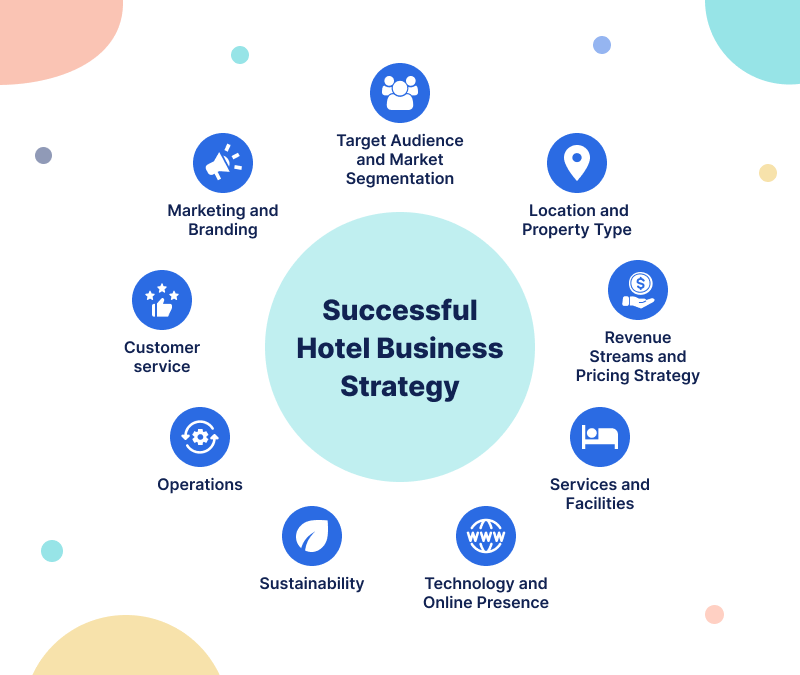
Hotel Business Model & Revenue Streams: Maximizing Profit Beyond Rooms
A strong hotel makes money from more than just room bookings. Mixing core revenue, extra services, and new ideas keeps income steady and grows profits.
Core Revenue: Rooms, Pricing, and Smart Revenue Management
Rooms are your main income. Use dynamic pricing to adjust rates by season and demand. Set length-of-stay rules during busy times to protect profits. Spread bookings across channels like direct reservations and OTAs wisely. Focus on RevPAR by balancing occupancy and daily rates.
Secondary Revenue: Food, Events, Parking, and Local Experiences
Add profits through extra services: restaurants, cafes, event spaces, parking, and curated local experiences. High-margin add-ons boost your average revenue per guest.
New Revenue Idea: Flexible Work & Local Memberships
Offer coworking passes for remote workers, special packages for locals, or membership plans for frequent guests. These create steady income beyond traditional bookings.
Brand Positioning & Unique Selling Proposition (USP) for Market Fit
In a crowded hotel market, a clear brand and strong USP make your property memorable. Your brand should show who you are, what you promise, and why guests should choose you over competitors.
Brand Story and Visual Identity That Sells Experiences, Not Rooms
Your hotel’s story should create an emotional connection. Focus on experiences, not just rooms. Consistent visuals—like colors, logos, and signage—reinforce trust and make your brand instantly recognizable.
Pricing and Positioning Matrix: Budget, Boutique, Upscale, Luxury
Know where your hotel fits in the market. Budget hotels highlight value, boutique hotels offer unique design, upscale hotels focus on premium amenities, and luxury hotels provide unforgettable experiences. Your position guides marketing and sets guest expectations.
Marketing Plan: Channels, Budgets, and a 90-Day Launch Checklist
Launching a hotel isn’t just about location—it’s about smart marketing that fills rooms and builds loyal guests. Here’s a simple, step-by-step plan.
Direct Bookings First: Website, Booking Engine and Conversion Tactics
Your website is your most powerful tool. Include clear pages for rooms, amenities, pricing, and contact info.
Use strong CTAs like “Book Now” and highlight special offers to encourage direct bookings.
Make sure your site is mobile-friendly, fast, and easy to navigate.
OTA Strategy: When to Use OTAs and How to Protect Direct Bookings
OTAs help reach more travelers but often charge high fees. List strategically during peak seasons or launch periods.
Keep rates consistent across platforms and offer perks like free breakfast or Wi-Fi for guests who book directly.
Paid Digital: PPC, Meta Ads, and Retargeting
Use Google Ads to capture search traffic for your location. Run Facebook and Instagram campaigns for targeted audiences.
Retarget visitors who didn’t book to remind them and increase conversions.
Social & Influencer Campaigns That Build Brand Buzz
Focus on social platforms your audience loves. Encourage guests to share experiences and tag your hotel.
Partner with local influencers to widen your reach and showcase your hotel’s story.
90-Day Pre-Launch and Launch Checklist: Weekly Marketing To-Dos
Weeks 1-4: Pre-Launch
-
Finalize branding and messaging
-
Set up website and booking engine
-
Plan social media content and promos
Weeks 5-8: Launch Phase
-
Announce opening across all channels
-
Start paid campaigns and influencer partnerships
-
Monitor early performance and adjust
Weeks 9-12: Post-Launch
-
Collect guest feedback and reviews
-
Launch loyalty programs
-
Refine marketing based on results
This plan keeps marketing simple, organized, and effective. It drives bookings, builds buzz, and sets your hotel up for a strong start.
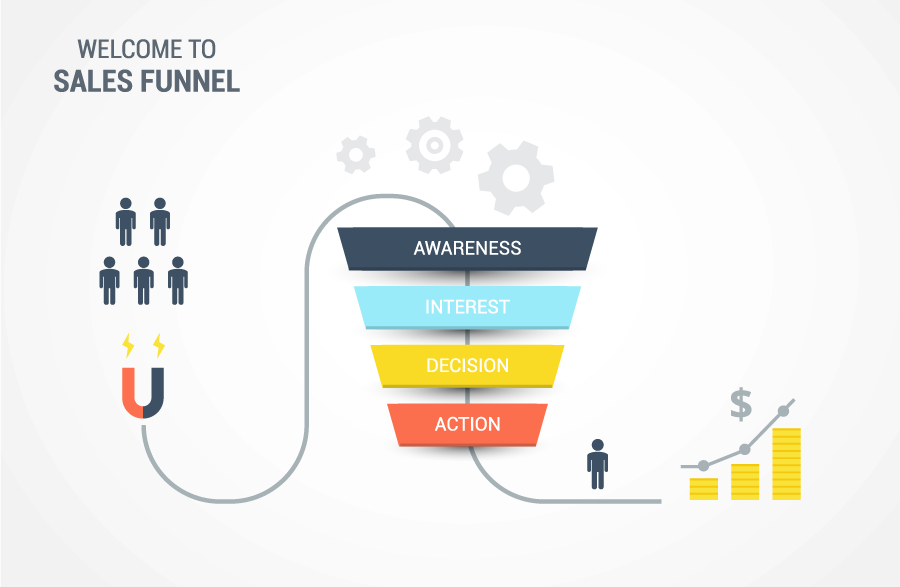
Guest Acquisition Funnel: From Awareness to Re-Booking
Knowing how guests move from first hearing about your hotel to becoming loyal visitors is key. Each stage needs tailored marketing to guide them smoothly.
Awareness: Reaching Guests Through Ads, Content, and PR
Get potential guests to notice your hotel with simple tactics:
-
Paid Ads: Target local or online travelers.
-
Organic Content: Share blogs, videos, and social posts that spark interest.
-
PR: Partner with media or local businesses to boost visibility.
Track: website visits, social engagement, ad clicks.
Booking & Conversion: Turning Interest Into Reservations
Make it easy and urgent for guests to book:
-
Scarcity: Show limited rooms to encourage quick decisions.
-
Price Guarantees: Assure they get the best rate.
-
Smooth Checkout: Keep the booking process simple.
Track: booking rate, average booking value, abandoned bookings.
Post-Stay: Turning Guests Into Repeat Visitors
Keep guests coming back with thoughtful follow-ups:
-
Review Requests: Encourage feedback for social proof.
-
Loyalty Programs: Reward repeat stays.
-
Cross-Sell Offers: Promote future deals or add-ons.
Track: repeat bookings, lifetime value, guest satisfaction.
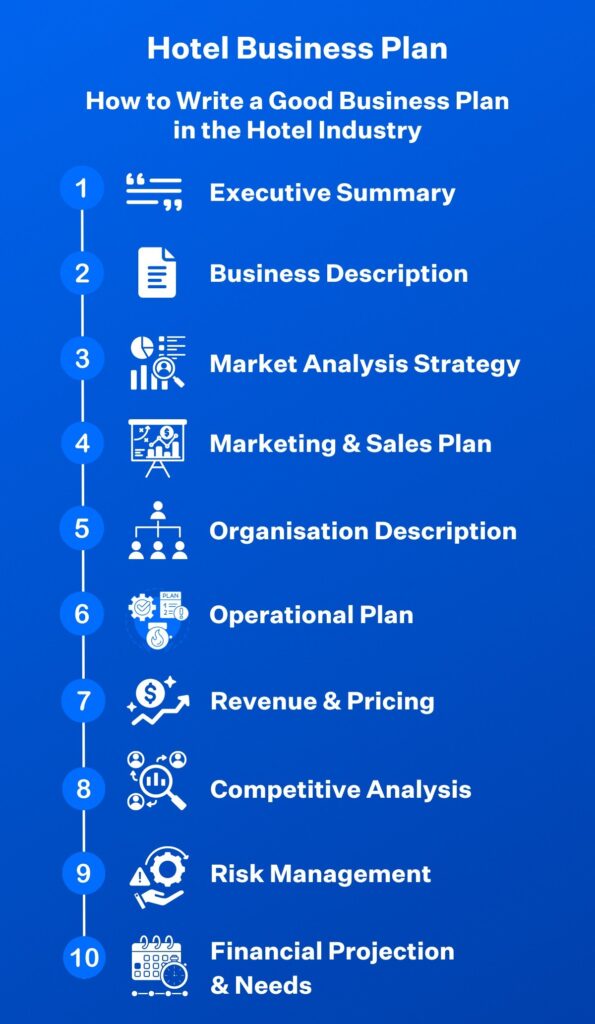
Appendix: Practical Tools to Launch and Grow Your Hotel
This section gives you essential tools to put your hotel business plan into action. These resources help you run operations smoothly, connect with guests, and track your performance.
One-Page Business Plan Template
A one-page plan is a quick reference for your hotel’s mission, goals, and strategy. Include:
-
Hotel Name and Concept: Your hotel’s name and what makes it unique.
-
Mission Statement: A short description of your hotel’s purpose and values.
-
Target Market: Who your main guests are (business travelers, families, tourists).
-
Key Offerings: The main services or amenities you provide.
-
Revenue Streams: How your hotel will make money (rooms, food, events).
-
Financial Goals: Short-term and long-term revenue targets.
-
Marketing Strategy: Key actions to attract and keep guests.
This snapshot gives clear direction for your business.
12-Month Marketing Calendar
A marketing calendar keeps your promotions organized and timely. Include:
-
Monthly Themes: Match campaigns to seasons, holidays, and events.
-
Promotions and Offers: Plan special discounts or packages to attract guests.
-
Content Schedule: Plan social media posts, blogs, and newsletters.
-
Partnerships: Schedule collaborations with local businesses or influencers.
-
Review and Adjust: Set time to check results and make improvements.
This helps you stay consistent and focused on goals.
Sample Hotel Email Sequence
Email is a powerful way to engage guests and boost bookings. Example sequence:
-
Pre-Arrival Email: Booking confirmation, check-in info, and local tips.
-
During Stay Email: Personalized suggestions for services, amenities, or upgrades.
-
Post-Departure Email: Thank-you note, request for feedback, and invitation to return.
Keep messages friendly, timely, and relevant to the guest’s journey.
KPI Dashboard Mock-Up
Tracking key metrics shows how well your hotel is performing. Important KPIs:
-
Occupancy Rate: How many rooms are sold versus available.
-
Average Daily Rate (ADR): Average revenue per occupied room.
-
Revenue per Available Room (RevPAR): Combines occupancy and ADR to show total revenue.
-
Guest Satisfaction Scores: Feedback ratings from reviews and surveys.
-
Booking Sources: Where reservations come from (direct bookings, OTAs, partners).
Regularly reviewing these numbers helps you make smart decisions and improve guest experience.
These tools make running your hotel simpler, help you connect with guests and give you clear insight into your results.
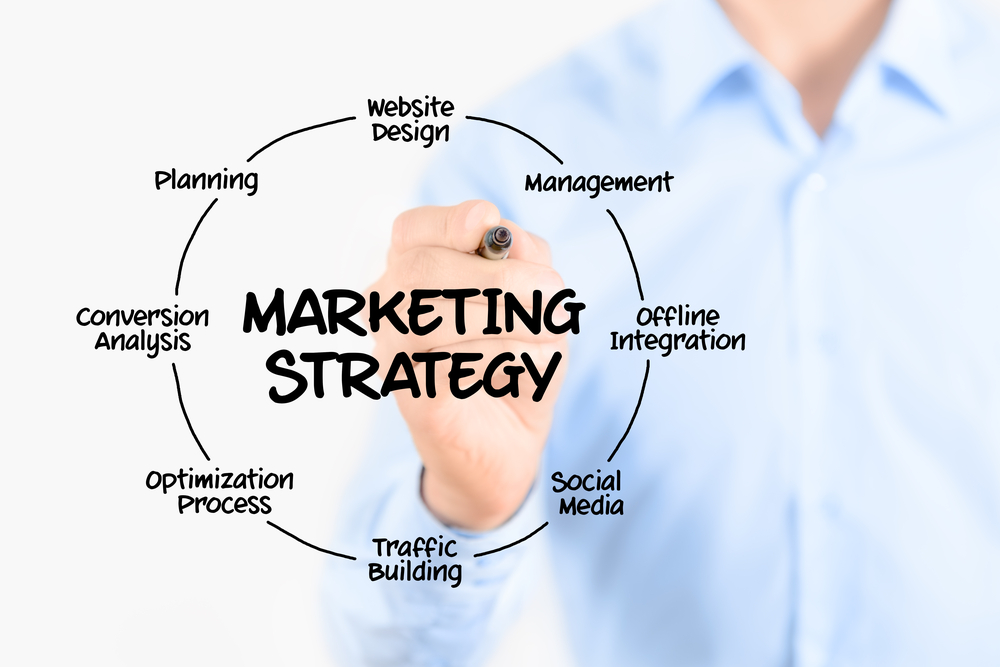
FAQs — Hotel Business Plan & Marketing Strategies That Win
1. What should a hotel business plan include?
It should cover your hotel concept, mission, target guests, services, revenue streams, marketing plan, and financial goals.
2. How can I market my hotel effectively?
Focus on a strong website, social media, email campaigns, loyalty programs, and partnerships with local businesses.
3. Which KPIs are most important for hotels?
Track occupancy rate, average daily rate (ADR), revenue per available room (RevPAR), guest satisfaction, and booking sources.
4. How do I create a 12-month marketing calendar?
Plan campaigns around seasons, holidays, and local events. Schedule content, promotions, and partnerships, and review results regularly.
5. What works best for hotel email marketing?
Send personalized pre-arrival, during-stay, and post-departure emails. Include confirmations, offers, and requests for feedback or reviews.
6. How can I use social media to promote my hotel?
Share engaging content, behind-the-scenes stories, guest testimonials, local attractions, and run interactive polls or targeted ads.
7. Why is SEO important for hotels?
SEO helps your website rank higher, attract the right audience, and improve the guest experience through better navigation and visibility.
8. How do I build a strong hotel brand?
Keep messaging consistent, highlight what makes you unique, focus on guest experience, and create a recognizable visual identity.
9. What are common hotel marketing mistakes?
Ignoring online reviews, inconsistent branding, poor mobile optimization, and not tracking key metrics can hurt your marketing efforts.
10. How do I measure marketing success?
Monitor KPIs, check ROI on campaigns, gather guest feedback, and adjust strategies based on performance data.
Conclusion: Turning Your Hotel Vision into Reality
A strong hotel business plan paired with smart marketing strategies is key to success. Knowing your guests, using the right marketing channels, and adjusting your approach when needed can boost bookings and build loyalty. Keep an eye on performance, watch trends, and be flexible when things change. With a clear plan, consistent effort, and focus on guest experience, your hotel can stand out, attract more visitors, and grow steadily. Success comes from planning, action, and learning along the way.