



Want to know what really sets e-commerce apart from physical stores?
After spending years in the world of online business, I’ve had a front-row seat to how both models operate. They each have their strengths, challenges, and unique ways of reaching customers. Whether you’re thinking of starting a new business or growing the one you already have, understanding the key differences can save you time, money, and headaches.
In this article, I’ll walk you through five important differences that every business owner should know. These insights will help you make smarter decisions and choose the path that fits your goals, budget, and lifestyle. Let’s dive in!
1. Cost Structures: Comparing Expenses in E-commerce and Physical Retail
Starting a business means knowing where your money goes. Physical stores and online shops have very different cost setups.
Overhead Costs in Physical Stores
Physical stores come with big fixed costs. Rent and utilities can quickly add up, no matter how many customers walk in. Plus, you need staff to help with sales, restocking, and customer service. Paying wages, benefits, and training is a constant expense.
Operational Costs in E-commerce
Online stores skip rent but spend on technology instead. Building and running a good website takes time and money. Shipping costs add up too—packing, delivery, and handling returns can be tricky. And don’t forget marketing online—ads and social media campaigns need a steady budget to keep customers coming.
Physical stores have steady, high costs, while e-commerce costs are more flexible but focused on tech and logistics. Knowing this helps you plan your budget wisely.

2. Customer Experience: In-Store Interaction vs. Online Shopping
Advantages of Physical Stores
Shopping in a physical store is a hands-on experience. You can see the product up close, feel its quality, and try it before you decide to buy. There’s something satisfying about being able to take your item home the same day—no shipping, no waiting. On top of that, in-store staff can guide you, answer your questions, and recommend products based on what you’re looking for. This kind of personal touch can make the whole experience feel more genuine and helpful.
Benefits of E-commerce Platforms
E-commerce offers a different kind of convenience. You can shop in your pajamas, late at night, or during a quick lunch break. There’s no need to travel, stand in lines, or search aisles. With just a few clicks, you get access to thousands of options, often more than any physical store could carry. Online stores also give you lots of information—detailed descriptions, high-quality images, and customer reviews—so you can make informed decisions without pressure.
3. Scalability and Growth Potential
Challenges in Scaling Physical Stores
Scaling a physical store comes with many hurdles. Every new location requires a big investment—whether it’s buying or leasing space, hiring new staff, or stocking shelves. These aren’t just one-time costs either. Rent, payroll, utilities, and ongoing maintenance continue to add up.
Growth is also tied to location. A store can only serve people within driving distance. If the local demand is low, your expansion won’t bring much return. As your business grows, managing multiple locations becomes harder. You’ll need more time, more systems, and more people to keep everything running smoothly.
Advantages of Scaling E-commerce Businesses
E-commerce businesses don’t need walls to grow. You can reach customers across the country—or the world—without opening a single physical location. That gives you access to much larger markets from day one.
Digital tools make this even easier. Many platforms let you automate tasks like inventory tracking, order processing, and customer service. This means you can serve more people without hiring a huge team. And when demand spikes, your website can handle it with a few upgrades—no need to build a new store or hire an army of employees.
Scaling online is faster, leaner, and far less risky than growing a physical storefront.
4. Flexibility and Adaptability in Business Operations
Rigidity of Physical Retail
Running a physical store means you’re tied to fixed hours. If your doors are closed, you’re not making sales. That limits how and when customers can shop with you. Whether it’s holidays, bad weather, or staffing issues, anything that interrupts business hours can hurt sales and customer experience.
There’s also the issue of space. Physical stores can only carry what fits on their shelves or in the stockroom. This limits how many products you can offer at one time. You might want to test new items or expand your selection, but you’re often restricted by square footage and layout.
Agility of E-commerce
E-commerce offers a level of flexibility that physical stores simply can’t match. Your online store is always open—day or night, weekday or weekend. This gives your customers the freedom to shop when it’s convenient for them, whether it’s 2 a.m. or during a lunch break.
You’re also not limited by physical space. You can list hundreds or even thousands of products, all without worrying about where to put them. If something isn’t selling, you can swap it out or promote it differently. If demand spikes for a trending item, you can adjust inventory, pricing, or delivery options right away. That kind of adaptability helps e-commerce businesses stay competitive and better serve their customers in real time.
5. Consumer Behavior and Purchasing Decisions
In-Store Shopping Preferences
Shopping in a physical store offers something that online shopping simply can’t replicate—the sensory experience. People enjoy touching fabrics, trying on clothes, or testing a product before making a decision. It gives them confidence that what they’re buying is right for them. This direct interaction with a product often leads to quicker decisions.
Another big factor is instant gratification. When someone buys something in-store, they get to take it home right away. There’s no waiting for delivery, no worry about shipping delays, and no chance of receiving the wrong item. That immediate satisfaction keeps many customers coming back to brick-and-mortar locations.
Online Shopping Trends
Online shoppers tend to behave differently. Before making a purchase, most of them take time to compare prices across different websites. With just a few clicks, they can see which store offers the best value. This ease of comparison makes price one of the biggest drivers in online purchasing behavior.
Another powerful influence is customer feedback. Reviews and ratings often guide buying decisions more than product descriptions or brand promises. When people see real experiences from other buyers, it builds trust. Many online shoppers won’t buy something until they’ve read what others have to say about it. This social proof plays a major role in today’s digital marketplace.
Hybrid Models: Blending E-commerce with Physical Stores for a Better Shopping Experience
Retail is changing fast, and many businesses now combine online shopping with physical stores to give customers the best of both worlds.
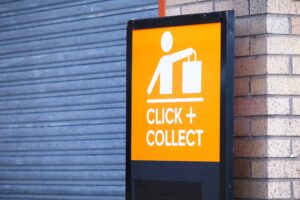
Click-and-Collect Services let shoppers buy products online and pick them up at a nearby store. This saves time, avoids shipping fees, and gives customers quick access to their purchases. Plus, when people visit the store, they often buy extra items, helping retailers boost sales.
Omnichannel Strategies go a step further by connecting online and offline channels. This means customers get a smooth, consistent experience whether they shop on their phones, computers, or in person. Stores keep inventory updated across all platforms, ensure the brand feels the same everywhere, and offer support no matter how customers reach out.
By mixing online convenience with in-store interaction, hybrid models help businesses stay flexible and meet modern shoppers’ needs.
Emerging Trends and Innovations in Retail
Augmented Reality (AR) Shopping: Bringing Products to Life Before You Buy
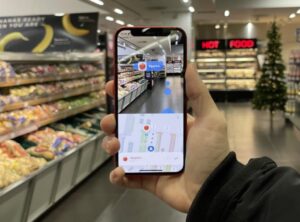
Augmented Reality is transforming how people shop by letting them see how products will look in their own space or on themselves before making a purchase. This technology helps customers feel more confident because they can “try” things virtually—whether it’s clothes, furniture, or accessories—without leaving home. This reduces the guesswork and cuts down on returns. More retailers are adopting AR because it offers a fun, interactive shopping experience that bridges the gap between online browsing and in-person shopping.
Subscription-Based Models: Building Loyalty Through Convenience and Consistency
Subscription services have become a powerful way for businesses to stay connected with customers. By delivering products or services on a regular schedule, these models offer convenience and personalization. Customers appreciate not having to remember to reorder, while businesses enjoy steady, predictable revenue. From beauty boxes to meal kits and more, subscriptions create ongoing relationships that keep customers engaged and coming back. This model also allows companies to tailor offerings to individual preferences, making the shopping experience feel more personal.
FAQs: 5 Key Differences Between E-commerce and Physical Stores
1. What are the main differences between e-commerce and physical stores?
E-commerce lets you shop online anytime and anywhere, giving access to lots of products. Physical stores let you see, touch, and try things in person and take them home immediately.
2. Which one costs less to run: an online store or a physical shop?
Online stores usually have lower costs since there’s no rent or many employees to pay. But you do need to spend on website upkeep, marketing, and shipping. Physical shops have higher expenses like rent and staff but can sometimes make more profit on each sale.
3. How is the shopping experience different between the two?
In a physical store, you get to try products, ask for help, and leave with your purchase right away. Online shopping is super convenient and offers more variety but you can’t touch or try items before buying.
4. Can businesses do both online and physical stores?
Yes! Many stores mix both to give customers the best of both worlds. For example, you might order online and pick up in the store, or browse in-store and order for home delivery.
5. Which is easier to grow: e-commerce or a physical store?
E-commerce often grows faster because you don’t need to invest in new buildings or hire many employees. Physical stores need more money and time to open new locations but can build strong local customer relationships.
6. How do inventory and shipping work differently?
Physical stores keep stock on-site, which means limited space. Online stores usually use warehouses and shipping services to handle more products and reach more customers.
7. Do online and physical stores use customer data differently?
Online stores collect lots of data from your browsing and buying habits, which helps them show products you might like. Physical stores get data mainly from customer visits and loyalty programs, so they might know less about your preferences.
8. Are physical stores still important with all the online shopping?
Definitely! Many people still enjoy the in-person experience and instant access to products. Physical stores are also improving by adding digital tools to make shopping easier and more fun.
Conclusion
Deciding between an online store and a physical shop really comes down to what fits your goals and customers best. Online businesses offer flexibility and reach, while physical stores give shoppers a hands-on experience and instant access to products. Knowing these differences helps you pick the right path and plan smarter. Whether you choose e-commerce or brick-and-mortar, understanding what makes each unique will set you up for success in today’s fast-changing retail world. If you’re ready to launch your online business, use these insights to build something that truly connects with your audience.