



Opening a hotel without a plan is like driving cross-country without a map—you’ll lose time, money, and focus. The most successful owners always start with a clear hotel business plan & marketing strategy. It provides direction, attracts investors, and helps avoid costly mistakes. In this guide, you’ll discover practical ideas and proven strategies to create a winning plan. If you want your hotel startup to succeed, these insights will guide you every step of the way.

Hotel Concept and Value Proposition: Define the hotel type, brand promise, and guest experience
Choose your hotel model: boutique, budget, resort, micro-hotel, or pop-up
The first step in creating a successful hotel plan & operations is choosing what kind of hotel you want to run. A boutique hotel delivers style and personality with fewer rooms and a unique design. Budget hotels focus on low prices and essential services, perfect for cost-conscious travelers. Resorts attract guests who want a full package of amenities, from pools to dining. Micro-hotels maximize space efficiency with compact rooms in busy cities. Pop-up hotels are temporary, fast to set up, and work well for festivals or seasonal demand. Pick the model that matches your budget, location, and target market.
Craft a compelling Unique Value Proposition that makes guests choose your hotel
Your Unique Value Proposition (USP) is the reason guests will choose you over competitors. Start by understanding your ideal customer and what they value most. Do they care about affordability, design, sustainability or convenience? Then, identify gaps in the local market and fill them with something different. In your hotel business plan & sales, your USP could highlight eco-friendly operations, cultural experiences, wellness features or smart technology. Above all, tell a story that connects emotionally with guests. A strong USP not only drives bookings but also strengthens loyalty for the long term.
Market Analysis and Target Audience: Understand local demand and who will book
A hotel business plan must start with clear market research. You need to know who will stay, what they expect, and how your hotel stacks up against others nearby.
Define your primary market and guest segments (leisure, business, groups)
Begin by dividing your guests into broad groups. Leisure travelers may include families, couples, or solo explorers. Business travelers might be sales reps, remote workers, or conference guests. Groups can be weddings, tour parties, or event attendees. Estimate how many stays each group might bring, their average length of stay, and when they travel most.
Local competitor audit: room types, pricing, occupancy trends, service gaps
Study nearby hotels that serve a similar market. Note their room types, seasonal pricing, and occupancy trends. Look at the amenities they provide and where they fall short. Maybe they lack family-friendly options, extended-stay rooms, or affordable extras. These service gaps can give your hotel a competitive advantage.
Build 3–5 guest personas and tailor services to match their needs
Turn your research into guest personas. Create fictional characters that reflect real customer types. For example:
-
A business traveler who values fast check-in and strong WiFi.
-
A family looking for affordable, child-friendly rooms with breakfast.
-
A couple seeking a cozy weekend getaway.
-
A tour group needing simple packages and bus parking.
-
An extended-stay guest who wants kitchen space and laundry access.
Each persona highlights motivations, pain points and booking habits. By tailoring your services and marketing to these needs, your hotel business plan & development aligns with real demand and positions you ahead of competitors.
Revenue Model and Pricing Strategy: How Your Hotel Will Make Money
Primary Revenue Streams: Rooms, Food & Beverage, Meetings, Events
Rooms are the main revenue driver, often making up most of a hotel’s income. Food and beverage add a strong second stream when done well, whether through a restaurant, bar, or room service. Meetings and events—like weddings, conferences, or corporate retreats—offer another steady source of revenue, especially when bundled with catering and services.
Ancillary Income Ideas and Seasonal Pricing Strategies
Small extras can grow profits. Think spa treatments, valet service, premium Wi-Fi, tours, or even paid parking. Each adds incremental income. Seasonal pricing also plays a big role. Raise rates when demand peaks, lower them when it slows, and use tiered pricing to let guests choose between budget and premium options. Flexible pricing keeps rooms full and revenue healthy.
Channel Mix: Direct Bookings, OTAs, Corporate Accounts
Balancing booking sources is key. Direct website bookings cost less and build loyalty, but online travel agencies expand reach. Corporate accounts provide consistent bookings at higher rates. A smart channel mix helps maximize occupancy while keeping costs in check.
Sales, Marketing, and Brand Strategy: Attract guests and retain them
Brand identity, website, and SEO strategy
Your website is your hotel’s front door. Keep it simple, fast, and easy to navigate. Show real photos, clear room details, and make booking straightforward. Use keywords naturally on your pages and titles to help guests find you online. Consistent messaging builds trust and strengthens your brand.
Paid marketing and distribution: OTA, PPC, meta-search
Start with small, targeted ads on search engines to reach ready-to-book guests. Test budgets, monitor results, and adjust carefully. Meta-search listings let your hotel appear alongside other options, showing price, photos, and direct booking links. OTAs help expand reach quickly, but always keep listings fresh and accurate.
Partnerships, local promotions, and loyalty programs
Team up with local attractions, event planners, or tourism groups to attract guests. Offer small loyalty perks like late check-out or welcome treats. Friendly follow-ups and personal touches encourage repeat stays and build goodwill.
Creative, low-cost startup ideas to attract early guests
Start with a soft launch or pop-up stay to test operations and pricing. Invite early guests in exchange for feedback and reviews. Offer referral deals or small rewards to turn first visitors into your first promoters.
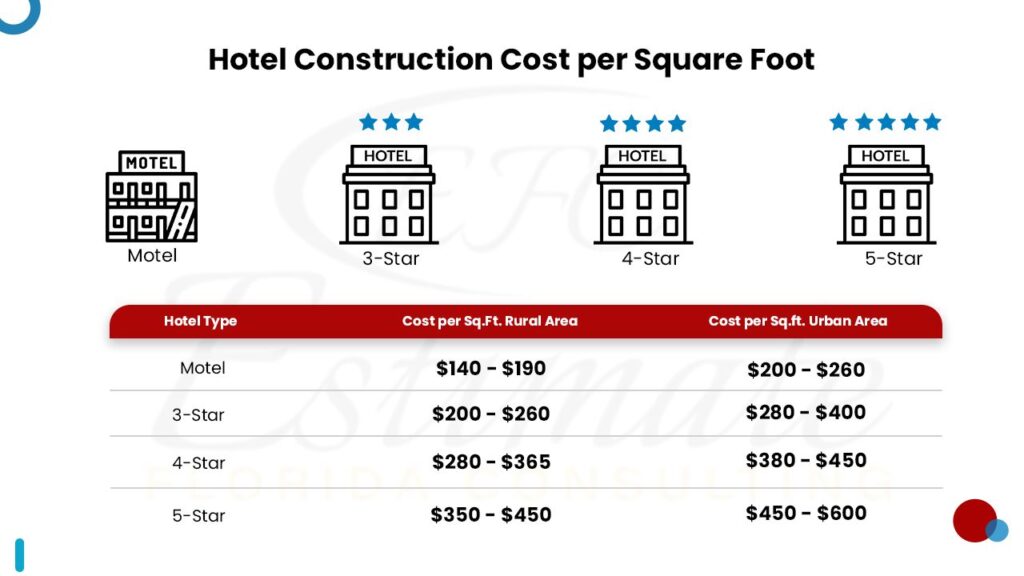
Financial Plan and Projections: Credible Numbers to Guide Decisions
A solid financial plan is the backbone of any hotel startup. It guides decisions, attracts investors, and helps your business grow sustainably.
Startup Cost Breakdown and 3-Year Forecast
Start with clear estimates for:
-
Property: purchase or lease costs based on location and size.
-
Renovation & Furnishing: create a welcoming space without overspending.
-
Licenses & Permits: cover all legal requirements upfront.
-
Staffing & Training: hire smartly and train efficiently.
-
Marketing & Branding: build awareness before opening.
Plan your first three years: Year 1 focuses on breaking even, Year 2 on growth, and Year 3 on profitability.
Breakeven Analysis and Funding Options
Know how many room nights or bookings you need to cover fixed costs. Funding options include small business loans, traditional bank loans, or short-term financing to cover startup needs.
Lean Operational Strategies to Keep Costs Low
-
Standardize processes to save time and maintain quality.
-
Use technology like management software to automate tasks.
-
Cut energy costs with efficient lighting and appliances.
-
Outsource non-core services like laundry or landscaping when possible.
These steps help you manage costs, stay efficient, and scale your hotel successfully.
Action Plan and Launch Checklist: From Plan to Opening Day
Launching a hotel successfully takes clear planning and careful execution. Here’s a practical approach to get your hotel open smoothly.
Pre-Opening Timeline with Key Tasks and Owners
Before opening day, focus on key tasks and assign clear ownership:
-
Finalize hotel design and layout → Project Manager
-
Secure licenses and permits → Legal Team
-
Recruit management staff → HR Department
-
Create marketing materials → Marketing Team
-
Set up booking and property management system → IT Department
-
Train staff thoroughly → Training Coordinator
-
Build vendor relationships → Procurement Manager
-
Conduct a soft opening and gather feedback → Operations Manager
First 90-Day Marketing and Operations Focus to Hit Occupancy Targets
The first three months are critical for building momentum:
-
Run digital campaigns and local promotions to attract guests.
-
Offer special opening rates or packages to encourage bookings.
-
Partner with nearby businesses to enhance guest experiences.
-
Collect and act on guest feedback to improve service.
-
Ensure smooth check-in, housekeeping, and operations for happy guests.
Focusing on these steps will help your hotel achieve strong occupancy and a solid reputation from day one.
Frequently Asked Questions – Winning Hotel Business Plan Ideas for Startup Success
Q1: Why is a hotel business plan important?
It serves as a roadmap, guiding decisions, attracting investors, and helping your hotel grow successfully.
Q2: What should a hotel business plan include?
Key parts are: executive summary, market analysis, marketing strategy, operations plan, and financial projections.
Q3: How do I calculate startup costs?
Include property, renovations, furnishings, staff training, and marketing. Add a small contingency for unexpected expenses.
Q4: What marketing strategies work best?
Use digital campaigns, local partnerships, promotional offers, and loyalty programs to attract and retain guests.
Q5: How can I run operations efficiently?
Standardize procedures, train staff well, use technology for bookings, and monitor performance metrics regularly.
Q6: What financial projections should I include?
Show expected revenue, operating expenses, profit margins, and the break-even point for clarity.
Q7: How do I attract investors with my plan?
Highlight your unique value, market understanding, realistic financials, and experienced management team.
Q8: How often should I update the plan?
Review yearly or whenever major changes happen to keep your plan relevant and actionable.
Conclusion
A strong hotel business plan is your roadmap to turning a dream into a successful reality. By clearly defining your concept, knowing your guests, and setting realistic financial goals, you create a solid foundation for growth. A thoughtful plan not only helps attract investors but also guides your daily decisions. Stay flexible, focus on providing excellent guest experiences, and adjust as you learn. With careful planning, determination, and smart strategies, your hotel can stand out and thrive in a competitive market, welcoming guests and building lasting success from day one.