



Want your small business to stand out without spending a fortune? Screen printing is a simple way to turn everyday items into powerful brand tools. From custom t-shirts to unique merchandise, every print shares your story and gets your name noticed. Even if you’re just starting out or doing it yourself, smart screen printing moves can make your designs look professional and grab attention. In this guide, I’ll show small business owners practical ways to use screen printing to grow their brand, build loyalty, and make a lasting impression.
Screen Printing’s Role in Small Business Branding
Screen Printing for Entrepreneurs
Screen printing is a creative way to put designs onto products, especially clothes. It uses a mesh screen and ink to make bright, long-lasting prints. This method is perfect for small businesses that want to create custom items that stand out. Keeping up with the latest screen printing trends can also help small businesses stay competitive, attract new customers, and deliver unique products that get noticed.
Beginner’s Guide to Screen Printing
The screen printing process starts with design creation, where you craft your design and make a stencil to transfer onto the screen. Next comes screen preparation, in which the screen is coated with a special light-sensitive layer, and the stencil blocks certain areas, leaving the design ready for printing.
After that, the screen is washed and dried, so only the design area is open for ink. During printing, ink is pushed through the screen onto your product, forming the design. Finally, the ink is cured with heat to ensure it lasts through washing and everyday wear.
Why Screen Printing Fits Small Businesses and DIYers
Screen printing is an excellent choice for small businesses because it offers several key benefits. It is cost-effective—once your setup is ready, producing larger batches becomes cheaper, helping you save money.
The prints are high-quality, sharp, bright, and professional-looking, giving your products a polished appearance. Screen printing is also versatile, working well on t-shirts, bags, posters and many other items.
Plus, it’s a powerful brand booster: every printed item becomes a walking advertisement, spreading your brand wherever it goes.
The Advantages of Screen Printing for Small Businesses
Durability and Versatility of Screen-Printed Products
Screen-printed designs last a long time. They resist fading, peeling, or cracking, even after many washes. This makes your merchandise a long-term investment.
Cost-Effectiveness for Small Orders
While setting up a screen takes time, printing more items lowers the per-unit cost. This makes it budget-friendly for growing businesses.
High-Quality Results That Enhance Brand Perception
Bright colors and crisp designs make your products look professional. Good-quality merchandise helps customers trust your brand and keeps them coming back.
Must-Have Screen Printing Equipment
Essential Gear for Small-Scale Screen Printing
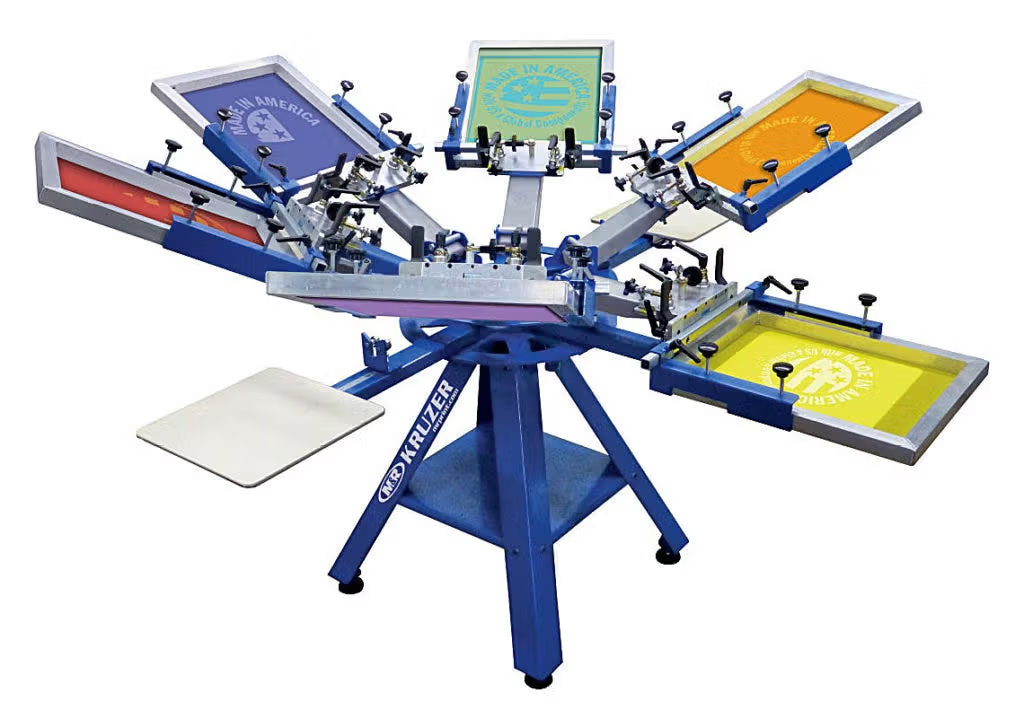
Starting a screen printing venture doesn’t require a huge investment. A manual press is perfect for beginners—affordable, easy to use, and ideal for small batches. You’ll also need screens and frames to hold your designs; aluminum frames are durable and keep consistent tension.
Squeegees push ink through the screen, and a medium-firm squeegee works for most projects. For vibrant prints, choose the right inks—plastisol inks are bright and long-lasting, while water-based inks feel softer and eco-friendly.
Emulsion and an exposure unit help create stencils and harden your designs. Finally, drying equipment like a flash dryer or small conveyor dryer cures your ink.
If you also plan on customizing stickers or decals alongside your prints, a vinyl printer cutter can perfectly complement your setup, making versatile, professional designs easy to create.
Manual vs. Automatic Presses: Which Suits Your Business?
Manual presses are best for small batches, DIY projects, and custom orders. They give hands-on control and produce around 60–120 prints per hour. Automatic presses are faster and better for larger orders, but they cost more and take up more space.
For most small businesses starting out, a manual press is the smarter choice.
Choosing the Right Screens, Inks, and Emulsions
When choosing screens, lower mesh counts work well for bold designs, while higher mesh counts capture fine details more accurately. For inks, plastisol is bright and easy to use, making it a popular choice, whereas water-based inks feel softer and appeal to eco-conscious customers.
Emulsions should match your ink and exposure setup, with photopolymer emulsions being beginner-friendly and highly durable.
Budget-Friendly Starter Kits for Aspiring Entrepreneurs
Starter kits are perfect if you want everything in one package. Some kits include a press, squeegees, screens, inks, and exposure tools. They save time and make it easier to begin printing right away, especially for home-based setups.
How to Set Up a Home-Based Screen Printing Operation
Choose a well-lit, ventilated space with enough room for all your equipment. Organize your tools so printing is smooth and efficient, and always follow safety precautions when handling inks and chemicals.
Set up a clear workflow, moving step by step from design to finished product. Finally, practice your techniques regularly to achieve clean, professional-looking prints every time.
With the right tools and setup, even a small home-based operation can produce high-quality screen-printed products and grow your business efficiently.
Screen Printing for a Strong Brand
Designing Merchandise That Reflects Your Brand’s Voice
Merchandise shows your brand’s personality. Match designs to your values, know your audience, and stay consistent across products.
Creating Eye-Catching Brand Designs
Keep your designs simple, as clear and uncluttered visuals grab attention more effectively. At the same time, make your products stand out by adding unique touches that set your brand apart from competitors.
Finally, use quality materials to ensure your merchandise looks professional and lasts longer, leaving a positive impression on customers.
Understanding Color and Typography
Colors and fonts play a big role in how your brand is perceived. Blue can build trust, while red sparks excitement and grabs attention. When it comes to fonts, serif styles feel traditional and reliable, whereas sans-serif fonts appear modern and clean.
Choosing the right combination helps your designs communicate your brand’s personality clearly and consistently.
Leveraging Screen Printing for Consistency
Screen printing keeps designs uniform, durable, and cost-effective for bulk orders.
Using Custom Apparel to Reinforce Brand Identity
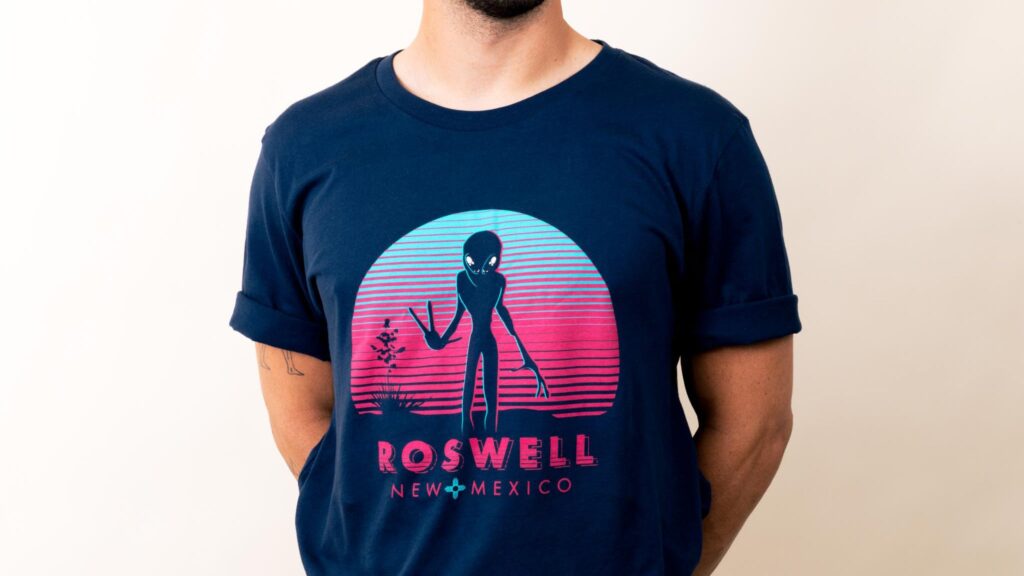
When customers wear your branded merchandise, they naturally become brand ambassadors, spreading your message wherever they go. Offering products at events further boosts your visibility and helps your brand reach new audiences.
Additionally, outfitting your employees in branded apparel creates a cohesive, professional look that reinforces your brand identity.
The Importance of Consistency
Consistent logos, colors, and fonts build recognition, professionalism, and customer trust.
Marketing Your Screen Printing Business
Building an Online Presence to Attract Customers
A strong online presence helps attract and keep customers.
Creating a User-Friendly Website and Online Store
Your website should be easy to navigate so visitors can find products quickly. It also needs to be mobile-friendly for users on phones. Make it visually appealing with clear photos and detailed information. Above all, it should feel professional and trustworthy to showcase your offerings effectively.
Utilizing Social Media to Showcase Products
Use social media to showcase your screen printing business effectively. On Instagram, post finished products and behind-the-scenes content to attract followers. Facebook is great for sharing updates and joining local groups to connect with your community.
TikTok works well for short videos showing your printing process or creative designs. Always engage promptly with comments and messages to build trust and keep your audience interested.
Networking and Local Community Engagement
Participating in Local Events and Markets
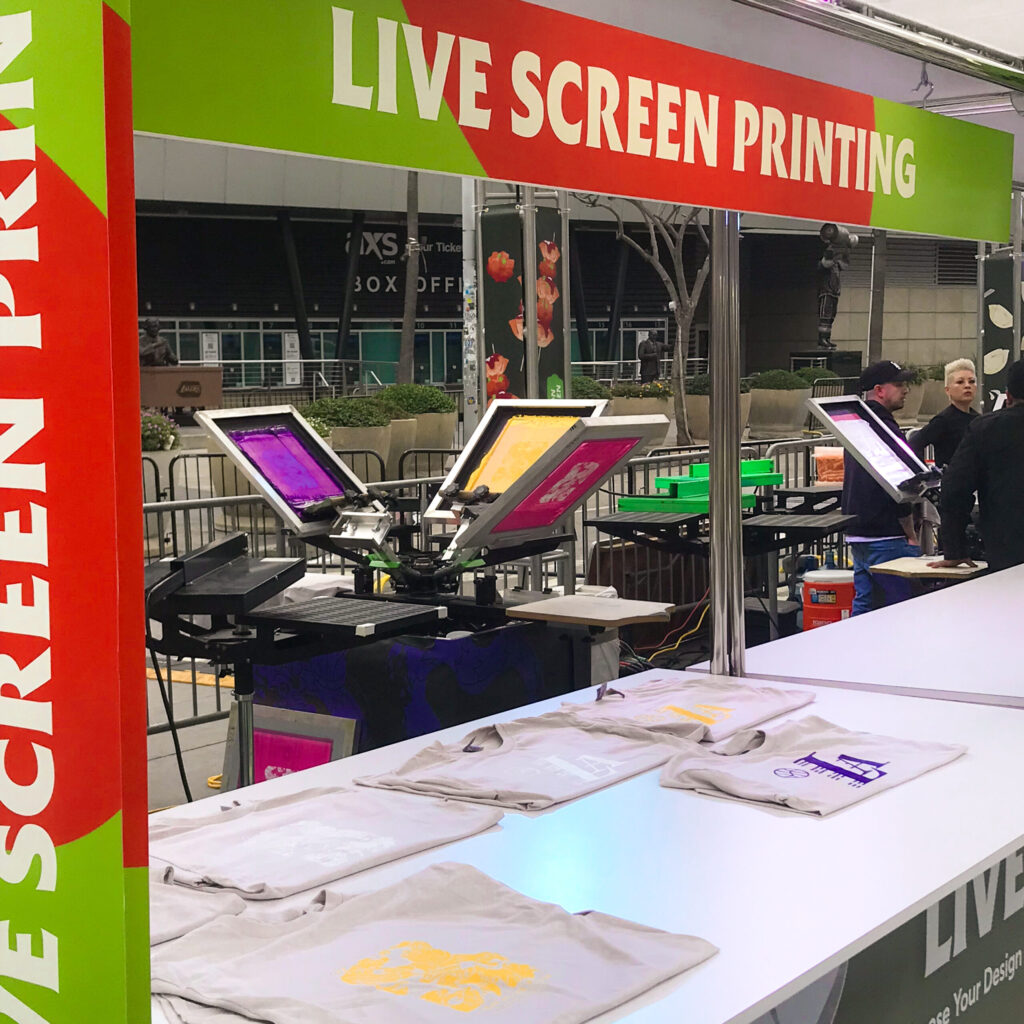
Showcase products at fairs, pop-ups, and school events. Bring samples and promos.
Collaborating with Other Small Businesses
Partner with nearby businesses for co-branded products or bundled services to reach more customers.
Chapter 5: Growing Your Screen Printing Business
Expanding Your Product Line and Services
To attract more customers, consider adding new products to your offerings. Embroidery works well on hats, jackets, and premium apparel, giving items a high-quality, professional look. Direct-to-Garment (DTG) printing is ideal for small orders or detailed designs that require precision.
You can also explore heat transfers and sublimation for products like mugs, tote bags, or polyester items, which allow for vibrant, full-color prints and creative merchandising options. Offering more services makes your business a one-stop shop and builds loyalty.
Managing Increased Demand Efficiently
Handle growth with smarter workflows by automating key processes to improve speed and consistency. Track your inventory closely to prevent stock issues, and create clear routines to maintain quality even under pressure.
Streamlining Production for Larger Orders
Boost efficiency by keeping your workspace organized to save time, cross-training staff to increase flexibility, and maintaining equipment regularly to prevent downtime.
Investing in Equipment and Staff
Grow sustainably by upgrading your machinery to offer new services, hiring skilled team members, and training your staff to improve both speed and quality. Smart growth means expanding products, improving workflows, and building a capable team.
Creative Ways to Use Screen Printing for Branding
Limited Edition Merchandise for Exclusive Marketing
How Limited Runs Can Create Urgency and Boost Sales
Limited edition merchandise taps into the psychology of scarcity, making products more desirable. By offering exclusive items, small businesses can create a sense of urgency, encouraging customers to act quickly before the product sells out.
This strategy not only boosts sales but also enhances brand loyalty, as customers feel they are part of an exclusive group.
Examples of Successful Limited Edition Campaigns
One notable example is a small indie bookstore that increased sales by 35% through a “Collector’s Edition” tote bag series. Each tote featured unique literary quotes and hand-drawn illustrations, with a new design released every two months.
Customers who collected multiple designs received a free tote, fostering a sense of community and exclusivity. Another example is the Merch Aid initiative, which collaborated with artists to create limited-run merchandise for small businesses.
This not only provided financial support but also raised awareness for local brands during challenging times.
Exploring Alternative Materials and Surfaces for Printing
Custom Prints on Tote Bags, Hats & Posters
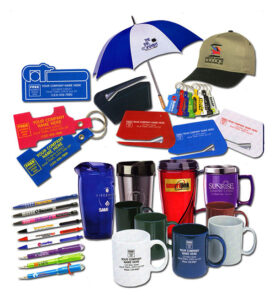
Screen printing isn’t limited to apparel. Small businesses can expand their product offerings by printing on items like tote bags, hats, and posters. These products serve as functional marketing tools, spreading brand awareness wherever they go.
For instance, custom tote bags are popular for their durability and eco-friendliness, making them ideal for promoting a brand’s commitment to sustainability.
Innovative Techniques to Stand Out in the Market
To differentiate in a competitive market, businesses can explore innovative screen printing techniques. This includes experimenting with different inks, such as eco-friendly or glow-in-the-dark inks, and utilizing unique printing methods like edge-to-edge printing on tote bags.
By offering products that stand out visually and functionally, businesses can attract attention and build a memorable brand identity.
Small Businesses Winning with Screen Printing
Coffee Shop Builds Loyalty with Custom Merchandise
How Custom Mugs and T-Shirts Became a Marketing Tool
Local coffee shops have discovered that offering custom mugs and t-shirts can significantly enhance their brand presence. These items serve as both functional products and promotional tools, allowing customers to take a piece of the brand home.
When patrons use these branded items in their daily lives, they inadvertently promote the coffee shop, increasing visibility and attracting new customers.
Impact on Customer Engagement and Sales
The introduction of branded merchandise has led to higher customer engagement. Customers feel a sense of connection to the brand, encouraging repeat visits and word-of-mouth promotion.
This sense of community fosters loyalty and also provides an additional revenue stream, boosting overall business profitability.
Boutique Clothing Brand with Unique Screen Prints
Using Custom Apparel to Stand Out
Boutique clothing brands have used screen printing to create unique designs that set them apart from competitors. By offering exclusive, limited-edition apparel, they attract customers seeking distinctive fashion items.
This approach not only differentiates the brand but also creates a sense of exclusivity and urgency among shoppers.
Growth in Customer Base and Brand Recognition
Custom screen-printed apparel has helped these brands grow their customer base and improve brand recognition. As customers wear these unique items, they naturally promote the brand, increasing visibility and attracting new clients.
This organic marketing strategy strengthens the brand’s presence in a competitive market. These case studies show how small businesses, from coffee shops to boutique clothing brands, can use screen printing to boost brand identity, engage customers, and stand out.
Smart use of custom merchandise can drive growth and long-term success.
Conclusion
Screen printing is more than just a printing method—it’s a smart way for small businesses to grow their brand. From coffee shops using custom mugs and t-shirts to boutique clothing brands creating unique designs, screen printing helps businesses stand out.
It builds real connections with customers, turning everyday items into lasting impressions. Whether you’re just starting or expanding, using screen printing strategically can boost visibility, engage customers, and drive steady growth.
With the right approach, small businesses can make a big impact without huge budgets.
FAQs
Why Your Small Business Should Use Screen Printing?
Screen printing creates durable, high-quality designs on t-shirts, hoodies, tote bags, and more, helping small businesses promote their brand cost-effectively.
What Equipment Do I Need to Start Screen Printing at Home?
You’ll need screens, squeegees, inks, emulsion, and exposure tools, plus a clean drying area. Starter kits include most essentials, making it easy to begin.
How Much Does It Cost to Start a Screen Printing Business?
A home setup costs around $2,500–$5,000, while a commercial setup can range from $5,000–$50,000. Start small and scale gradually.
Can I Print Multiple Colors in One Design?
Yes. Each color requires its own screen and ink layer, allowing for vibrant, detailed prints.
Which Screen Printing Products Best Promote Your Brand?
T-shirts, hoodies, tote bags, caps, beanies, posters, and stickers are popular options. Choose products that match your brand and appeal to your customers.
How Can Screen Printing Help Grow My Small Business?
Custom merchandise boosts brand visibility, builds customer loyalty, and can generate extra revenue. Smart screen printing helps your brand stand out and keeps customers coming back.