



Have you ever wondered why screen printing keeps showing up as a growth tool for small businesses? It’s because this craft does more than put ink on fabric—it builds identity, spreads messages, and creates products people love to wear and share. Over the years, I’ve worked with countless small shops and seen how smart printing choices turn simple ideas into thriving brands. In this article, we’ll look at the top screen printing trends helping small business owners boost sales, win customers, and stay competitive.
Why Screen Printing Drives Small Business Growth
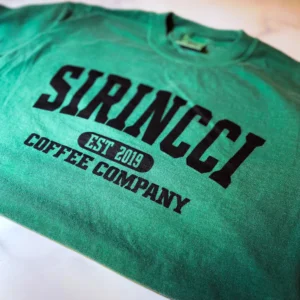
Custom t-shirts and branded merchandise are in high demand. From schools to startups, people want unique products that show their identity.
Screen printing stays strong because it delivers vibrant, long-lasting prints for larger orders. Shops often mix it with DTF for smaller or mixed-fabric jobs.
Smart pricing keeps margins healthy. Bundles, premium blanks, and rush fees boost profits while protecting customer trust.
Ecommerce and micro-batch runs let brands test ideas quickly. Successful designs scale easily with screen printing.
In short, screen printing combines efficiency, quality, and flexibility, making it a reliable growth tool for small businesses.
Trend 1: Hybrid Printing for Fast, Detailed Short Runs
Hybrid printing combines a screen-printed white base with digital color on top. It creates sharp, vibrant prints fast and handles detailed designs efficiently.
How hybrid setups work
The screen-printed under base creates a strong foundation for every design. Digital color then adds full detail with fewer screens, which cuts prep time and keeps quality high. Many shops pair this process with tools like a vinyl printer and cutter combo to handle smaller runs, custom lettering, or add-on graphics. Together, these methods give businesses flexibility, speed, and sharp results.
When to use hybrid vs. pure screen printing
Hybrid is ideal for mid-size orders, about 50–500 pieces. Pure screen printing stays best for large orders with simple designs.
Cost, time, and space benefits
Fewer screens reduce setup time. Digital ink use is lower, saving money. Hybrid systems also take less floor space.
Trend 2: DTF Rises, Screen Printing Leads in Bulk
Why DTF Works for Mixed Fabrics and Designs
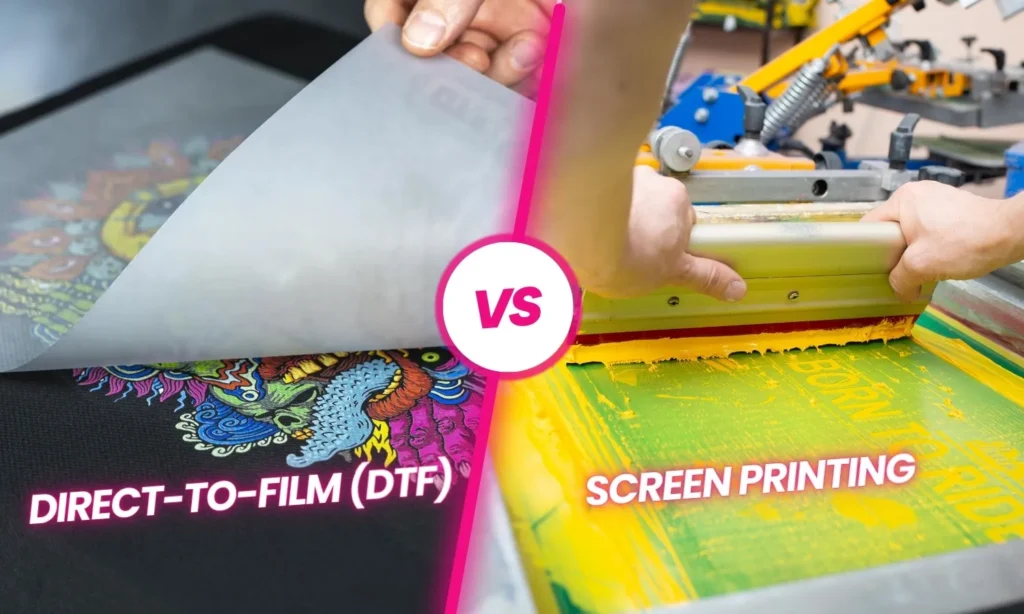
DTF works on almost any fabric—cotton, polyester, blends, even spandex. It handles detailed, multi-color designs easily, making small batches simple and cost-effective.
Where DTF Fits Without Replacing Screens
DTF complements screen printing. Use it for small or complex orders. Keep screen printing for large, simple runs. This balances efficiency and variety.
Choosing DTF vs. Screen Printing by Order Size
For small orders of 1–50 items, DTF is fast and ideal. Orders between 50 and 200 items can use DTF as well, but it’s important to compare costs against screen printing. For larger runs of 200 or more, screen printing is usually cheaper per unit and works best for simple designs.
Choosing the right method for each order size saves money, reduces production time, and ensures high-quality results every time.
Trend 3: Sustainability is Key in Screen Printing
Sustainability is no longer optional for small screen printing shops. Eco-friendly practices save money, reduce waste, and attract conscious customers.
Water-Based and Low-Impact Inks
These inks replace harmful chemicals, are biodegradable, and give shirts a soft, breathable feel customers love.
Waste Reduction
Smart ink use, recycling, and chemical management cut waste, save time, and protect the environment.
Energy-Smart Presses and Reclaim Systems
Efficient presses and reclaim systems reduce power use and carbon footprint while lowering costs.
Eco-Friendly Screen Printing Boosts Brand Value
Green practices set your brand apart, build trust, and attract loyal, eco-conscious customers.
Trend 4: Specialty Textures That Increase Order Value
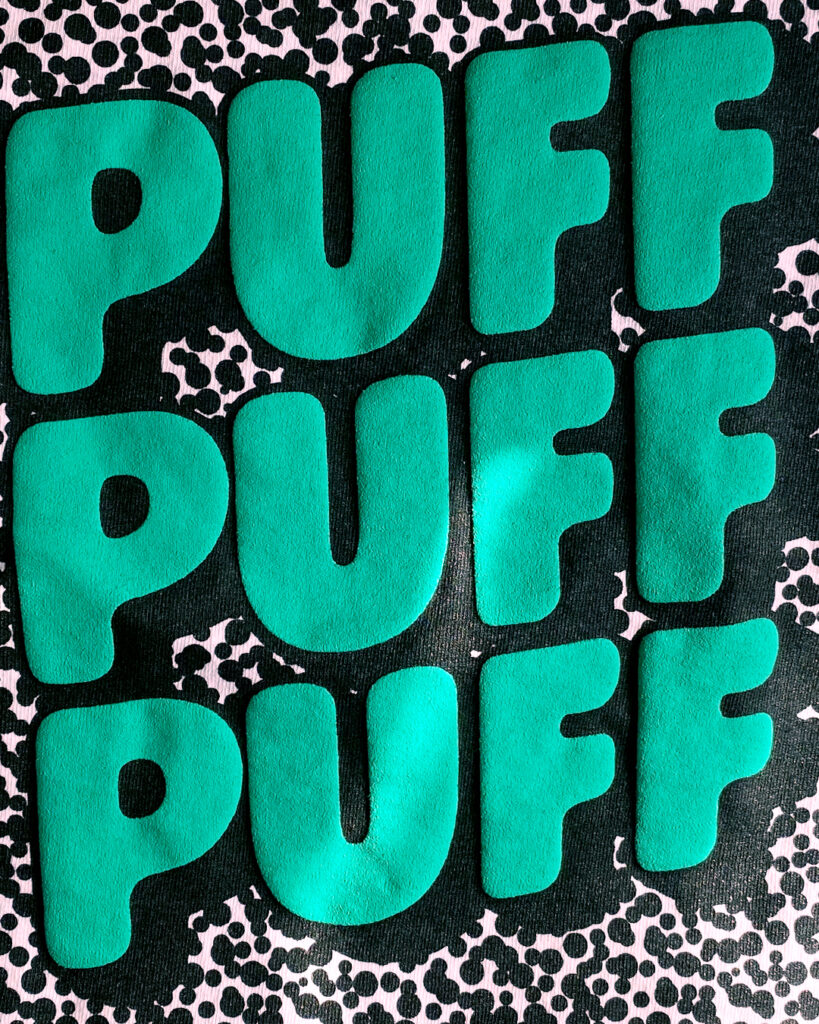
Specialty effects make apparel stand out and feel premium. Raised ink, metallics and 3D prints give garments a unique look and tactile appeal.
Puff Ink: Add Dimension
Puff ink creates raised designs, perfect for bold logos and simple graphics on hoodies and heavyweight tees.
Metallic Finishes: Add Shine
Metallic inks catch the eye and enhance logos or text. They need lower mesh counts for full coverage.
High-Density Printing: Make Designs Pop
Thicker ink layers create bold, textured prints that last through many washes.
Pricing and Mesh Tips
Specialty effects cost more but justify higher prices. Use the right mesh count for each ink type.
Managing Customer Expectations
Explain care instructions and design limits to keep customers happy and satisfied.
Trend 5: Heavyweight, Boxy, and Retro-Style Blanks
Why Heavyweight Boxy Tees Lead U.S. Streetwear Orders
Heavyweight and boxy-cut shirts have become a top choice for streetwear brands across the U.S. Their thick fabric gives durability and a strong, structured feel that customers love. Boxy, oversized shapes offer comfort while staying stylish, making them perfect for layering or casual streetwear looks.
These blanks act as a versatile canvas, ready for bold graphics or subtle designs.
Pigment Dyes and Vintage Washes Customers Love
Vintage-inspired colors and washes are very popular. Pigment-dyed fabrics have a soft, faded look that feels unique, while vintage washes create a worn-in, comfortable feel.
Throwback palettes—like muted pastels, earthy tones, and soft faded hues—tap into nostalgia. Customers enjoy the charm of retro colors combined with modern designs.
Matching Blanks with Print Methods and Designs
Choosing the right blank ensures your design looks its best. Heavyweight fabrics hold screen prints well, keeping colors sharp and vibrant. Boxy shirts provide space for bold graphics or large prints.
For vintage designs, soft inks and distressed graphics pair beautifully with retro colors and washed fabrics. Matching blank style, print technique, and art direction creates a product that customers want to wear again and again.
Trend 6: Bold, Gradient, Nostalgic Designs
Design is more than decoration—it tells a story and builds brand identity. Small businesses now favor high-impact art that grabs attention and stands out.
High-Impact Art
Photoreal details, vibrant gradients, and mixed media make designs dynamic and eye-catching. Blending illustration and photography adds depth.
Popular Themes
Food art, nature, bold typography, and surreal twists connect with customers and spark interest.
Simple Art Briefs
Clear briefs help clients understand the vision and approve designs quickly, keeping projects on track.
These trends boost product appeal, strengthen brand identity, and help small businesses connect with their audience.
Trend 7: Print-on-Demand and Micro-Batches
Test Designs and Collaborations Risk-Free
Print-on-demand (POD) is changing the way small businesses launch products. You only print items after someone orders them, which means no upfront inventory and less wasted stock.
This makes it easy to test new designs, run limited-edition drops, or collaborate with influencers without financial risk. Small shops can experiment freely, learning what works before committing to larger production.
Partnering with Creators for Win-Win Results
Working with influencers or local creators benefits both sides. The business reaches a new audience, while the creator gets unique merchandise to offer their followers. Many small shops use simple revenue-sharing setups so both parties profit from every sale.
Picking creators who match your target audience can boost sales, brand credibility, and loyal customers.
How On-Demand Works Alongside Your Screen Press
POD doesn’t replace traditional screen printing—it complements it. Use screen printing for bulk orders and proven designs, and POD for small batches, experiments, or niche products.
This combination helps you keep production steady, explore new ideas, and satisfy customers without overloading your shop or risking money.
Trend 8: Web-to-Print and Clear Pricing Boost Sales
Running a small screen printing business is easier when customers can order online and see exactly what they’re getting. Web-to-print systems let clients place orders, upload artwork, and approve proofs all in one place.
This cuts down on back-and-forth emails and phone calls, saving time for you and your customers.
Regularly checking and adjusting your prices keeps your shop profitable. Costs change, trends shift, and staying on top of pricing protects your margins without surprising your clients.
Think of your business like it could be sold tomorrow. Organized systems, clear pricing, and smooth workflows make your shop run better and increase its long-term value.
Trend 9: Expanding Promo Methods
Expanding your decoration options can help small businesses grow without losing focus on what you do best. Adding methods like sublimation or UV DTF printing lets you offer more products while keeping screen printing as your core service.
Using Sublimation & UV DTF for Hard Goods
Sublimation works well for items like mugs, keychains, and coasters with a special coating. It creates bright, full-color designs that last. UV DTF printing is great for flat hard surfaces like pens, phone cases, and water bottles.
It produces high-quality results and often doesn’t need heat pressing or extra preparation.
Focus on Screen Printing While Offering Full Brand Kits
Even with new methods, screen printing should stay your main focus. It’s what customers trust and expect from you. To increase revenue, offer complete brand kits that mix screen-printed apparel with sublimated or UV DTF items.
This helps clients build a consistent brand while boosting your sales.
By choosing these additional methods carefully, you can meet more customer needs, expand your product range, and grow your business—all without losing your main expertise.
Trend 10: Niche Merch & Local Collabs
Focusing on niche markets and teaming up with local businesses can give your screen printing shop a reliable flow of repeat orders. When you create products that fit the needs of specific groups, customers keep coming back.
Target Specific Groups
School teams, gyms, startups, and micro-brands often reorder because your designs match their identity. Customizing your offerings for these communities builds trust and loyalty.
Make Reordering Easy
Reorder portals let clients place their orders quickly without hassle. The easier you make it, the more likely they are to return.
Offer Flexibility
Small minimum order quantities (MOQs) and quick turnaround times appeal to startups and smaller organizations. They can order what they need without overspending.
Use Sample Packs and Style Guides
Sample packs let clients see and feel the quality of your work. Simple style guides keep designs consistent and approval times fast.
By combining these strategies, you can turn niche markets and local collaborations into steady, repeat business that supports long-term growth.
Screen Printing Playbooks for U.S. Shops
Pricing and Profit: Simple Rules That Protect Margins
To stay profitable and competitive, check your prices every few months and adjust as needed. Negotiate with suppliers to lower costs without sacrificing quality, ensuring your margins stay healthy.
You can also offer “Good-Better-Best” packages, giving customers clear choices while encouraging larger orders and increasing overall value.
Art and Approvals: Faster Paths from Idea to Press
Use one-page art briefs that customers can complete in just a few minutes to get jobs started faster. Set clear proofing rules to prevent costly reprints and keep projects on schedule. Limit the use of gradients, tiny text, and specialty inks to ensure high-quality prints every time.
Choose the Right Printing Method
Choose the right printing method—screens, hybrid, DTF, or sublimation—based on the fabric, order size, and deadline. Plan batch flows carefully for mixed orders to keep production running smoothly and ensure everything is completed on time.
Marketing: Reach Buyers Online
Share short clips of your prints, textures, and peel shots on social media to build trust with potential customers. At the same time, create dedicated landing pages for team orders, events, or fundraisers to make the buying process simple and smooth.
Use Micro-Trends to Cut Dead Stock
Small businesses can spot short-lived trends by watching memes, local events, and school seasons. These micro-trends help you plan limited runs that sell quickly. Start with small batches using print-on-demand to test designs.
When a style proves popular, scale up with screen printing. This approach reduces leftover stock, saves money, and keeps your product line fresh and relevant.
Use CLV to Boost Reorders
Keeping current customers is often more profitable than chasing new ones. Track reorder patterns, favorite sizes, and preferred garments to understand what drives repeat orders. Offer loyalty perks, seasonal reminders, or reprint tokens to encourage more frequent purchases.
Small efforts in retention can generate steady revenue and reduce the need for expensive marketing to find new clients.
Starter Kits & Checklists
Quick Kit 1: Launch a Trend Effects Menu in One Week
Start by picking three effects: puff ink for a 3D texture, metallic for a shiny finish, and soft-hand water-based for a smooth, comfortable feel. Next, create swatch tees so customers can see and feel how each effect looks on garments.
Make a short, 30-second demo video to showcase the effects in action. Finally, set clear pricing by adding a fixed cost for each effect, ensuring customers know exactly what they are paying. This approach makes it easy to upsell and boosts customer confidence.
Quick Kit 2: Set Up a Micro-Drop Pipeline with Creators
Start by using an intake form to gather design files, product choices, and audience details from creators. Next, set up a clear margin split template to outline profit sharing between your shop and the creator.
Establish sample timelines to manage design approvals, sample production, and final orders efficiently. Begin with print-on-demand for the first 25 units to test designs and gauge demand. Once the design proves popular, switch to full screen printing production to save costs and maximize profits.
FAQs:
1. Latest Screen Printing Trends for Small Businesses?
Small businesses are using hybrid printing, eco-friendly inks, and print-on-demand to offer unique, high-quality products.
2. How can I add hybrid printing to my business?
Hybrid printing mixes traditional screens with digital methods. It helps you create detailed designs faster and handle more orders efficiently.
3. Why should I use eco-friendly inks?
Water-based and low-impact inks appeal to environmentally conscious customers and improve your brand’s reputation.
4. What is print-on-demand and how does it help?
Print-on-demand lets you produce items only when orders come in. It reduces inventory costs and minimizes waste.
5. How can I stay competitive in screen printing?
Keep up with new techniques, diversify your products, maintain quality, and stay aware of emerging trends in the industry.
Conclusion:
Screen printing remains a powerful tool for small businesses, helping brands stand out and grow. By using popular trends like specialty inks, eco-friendly practices, and hybrid printing, shops can attract loyal customers and increase sales.
Simple strategies, such as offering trend effect upsells or partnering with creators for limited-run drops, can make a big impact without huge costs. The key is staying flexible, experimenting with new ideas, and listening to what customers want.
Small shops that adapt quickly can turn screen printing into a steady path for growth and long-term success.