



Want to turn your creative ideas into a small business that actually makes money? Screen printing is one of the easiest ways to make custom products that people love. With the right tips, even a small home setup can produce prints that look professional. From picking the best tools to learning simple techniques that save time and money, small business owners can get real results fast. In this guide, I’ll share practical advice from years of experience to help you grow your brand, attract customers, and succeed with screen printing.
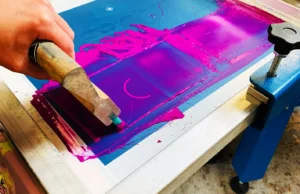
Screen Printing Setup Essentials
Starting a screen printing business doesn’t have to be expensive. With the right tools and a simple setup, you can create professional-quality prints right from home or a small workspace.
By following proven screen printing strategies, even beginners can produce high-quality designs, save time, and grow their business efficiently. Let’s go through what you need to get started.
Essential Screen Printing Tools Every Beginner Needs
To begin screen printing, every small business owner needs a few essential tools. A manual screen printing press is ideal for beginners because it allows precise multi-color printing without a big investment.
Screens are the frames that hold your stencil, and a 110 mesh count works well for most designs. A squeegee spreads ink evenly through the screen onto your material, while water-based inks are soft, eco-friendly, and perfect for fabric projects.
You’ll also need emulsion and an exposure unit to create your stencil, along with curing equipment like a flash dryer or heat press to set the ink. Keeping cleaning supplies on hand ensures your tools and screens stay in top condition.
For many beginners, a starter kit is a smart option since it includes all the basic tools in one package. Some small business owners also invest in vinyl printer cutter combos to expand their printing capabilities and create versatile, professional-quality designs quickly and efficiently.
Manual vs. Automatic Screen Printing Press
When choosing a screen printing press, think about how much you plan to print. A manual press is ideal for small batches and beginners because it is cost-effective and provides hands-on control.
On the other hand, an automatic press is designed for larger volumes, offering faster production and consistent prints, though it comes with a higher upfront cost.
For most new small businesses, starting with a manual press is the smartest choice, and you can always upgrade to an automatic press later as your business grows.
Choosing Quality Inks and Materials
The quality of your prints largely depends on the materials you use. Water-based inks are a popular choice because they feel soft, are eco-friendly, and produce bright, vibrant colors.
Choosing the right substrates is also important—cotton and cotton-blend fabrics work best for shirts, while canvas or vinyl is ideal for signs and bags. Before printing a large batch, always test your inks on the material to ensure the results meet your expectations.
Efficient Home Screen Printing Setup
A well-organized workspace can save time and prevent mistakes. Set up separate areas for screen preparation, printing, and curing to keep tasks organized. Good ventilation is essential when working with inks and chemicals, while bright lighting helps you see colors accurately and catch small details.
Keep tools and materials within reach to maintain efficiency, and start with a small, tidy space that can grow as your business expands. With the right tools and workspace, you’ll be ready to produce high-quality screen-printed products efficiently.

Design & Artwork: Prints That Sell
Creating screen prints is more than just putting ink on fabric. It’s about making designs people love and making sure your artwork prints clearly. Proper design and preparation set your small business up for success.
Crafting Simple, Impactful Screen Printing Designs
With screen printing, simple designs often work best. Choose bold shapes and clear lines that reproduce well on fabric. Avoid tiny details—they can get lost or look messy. Think about how your design will appear both small and large.
High-contrast designs stand out and make colors pop. Always consider your audience and the message you want to share. Whether it’s a fun slogan, a minimal graphic, or a vintage-style illustration, your design should match your brand and catch the eye.
Preparing Artwork: Digital Designs to Printable Films
Once your design is ready, prepare it for printing. Start with a high-resolution digital file to keep lines sharp. Use vector formats so your design can scale without losing quality. Convert your artwork to black and white for easier printing.
Next, print the design on transparent film. This will act as a stencil when exposing your screen. Make sure the print is dark enough to block light completely. You can check by holding it up to a bright light—if light passes through, the stencil won’t work well.
Color Separation and Layering for Multi-Color Prints
Multi-color designs need careful planning. Each color requires its own screen, so separate your artwork into layers for each color. Usually, lighter colors print first, then darker colors on top. Proper layering prevents smudges and keeps lines clean.
Adding small marks to help align each screen makes registration easier and ensures your print looks professional.
Focusing on these steps will help you create screen prints that look great and appeal to customers. Good preparation makes the printing process smoother and improves the final result.
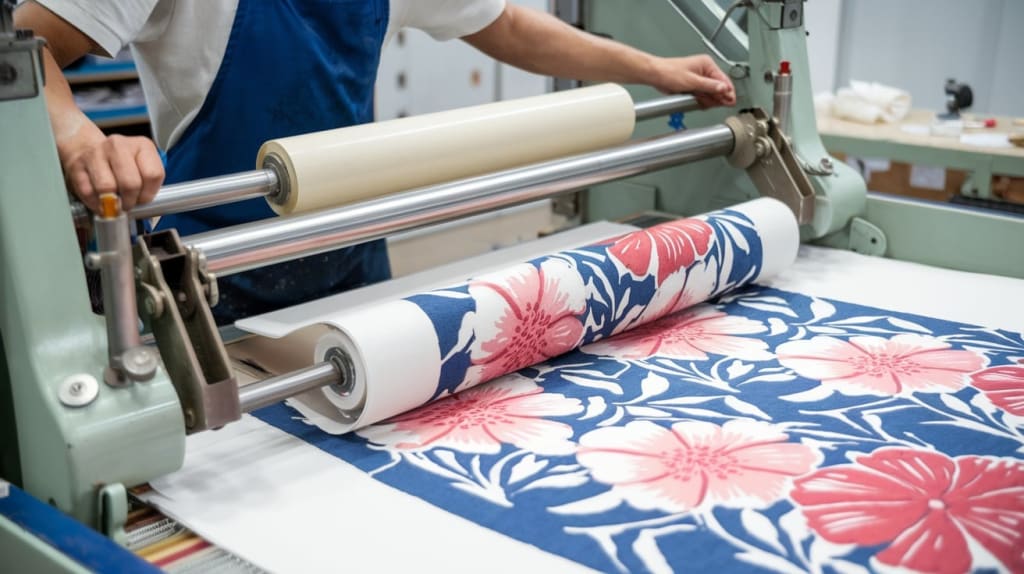
Top Printing Techniques for High-Quality Results
Getting top-quality screen prints isn’t just about having good equipment. It’s about learning techniques that keep every print consistent and professional. Whether you print at home or in a small shop, these simple practices make a big difference.
Mastering the Squeegee for Even Ink Coverage
The squeegee is your main tool for spreading ink, and using it correctly is key to smooth, even prints. Apply steady pressure across the screen, as uneven pressure can create blotches.
Choose a squeegee that suits both your ink and fabric, since hardness affects the final result. Hold it at about a 45-degree angle to ensure the ink flows properly. Finally, clean your squeegee after every use to prevent dried ink from ruining future prints.
Proper Ink Curing for Strong, Lasting Prints
Curing makes your prints durable, and doing it correctly is key to long-lasting results. Always follow the ink manufacturer’s instructions carefully, and keep the temperature steady during the curing process.
Test your prints by stretching or washing them to ensure they hold up. Be careful not to overheat the ink, as it can crack and ruin the design.
Solving Smudges, Misprints, and Color Problems

Finding Your Target Audience
Knowing who will buy your products is the first step to successful marketing. Pick a niche that matches your skills and interests, like custom t-shirts for local sports teams, small businesses, or schools. Spend time learning what your customers want.
Ask questions, observe trends, and listen to feedback. The more you understand your audience, the better you can create products they actually want to buy.
Growing Your Business Online
A strong online presence helps people find and trust your brand. Share high-quality photos of your designs, behind-the-scenes work, and happy customer stories on social media. Platforms like Instagram, Facebook, and Pinterest work well for visuals.
Sell your products online through a simple, easy-to-use store that clearly shows prices and product details. A smooth online shopping experience keeps customers coming back.
Boosting Sales with Local Events and Collaborations
Getting out in your community can grow your brand fast. Attend local fairs, markets, or festivals and show off your products in person. Team up with local schools, businesses, or organizations to make custom merchandise for their events.
These partnerships can lead to bigger orders and loyal customers. Even sponsoring small events can boost your reputation and get people talking about your brand.
Implementing Effective Pricing Strategies for Profitability
Pricing your products right is key to making a profit. Start by adding up all your costs, including materials, labor, and overhead. Check what similar products sell for and consider offering discounts for bulk orders or repeat customers.
Your price should reflect the quality and effort you put into each item. Keep reviewing your prices to stay competitive while still earning a fair profit.
Scaling Screen Printing: Side Hustle to Full-Time
As your screen printing side hustle starts gaining traction, moving to a full-time business becomes an exciting next step. Scaling isn’t just about producing more. It’s about refining your processes, expanding what you offer, and creating loyal customers.
With the right approach, you can grow efficiently while keeping quality high and stress low.
Streamlining Production: Smart Equipment and Automation
Efficiency is key when growing your business. Upgrading to better equipment, like automatic presses, can increase output and improve consistency. Automation in areas like screen exposure or ink curing saves time and reduces errors.
Streamlined workflows allow you to focus on design, marketing, and growing your brand instead of repetitive tasks.
Expanding Product Offerings: Diversifying Beyond Apparel
Adding new products helps reach new customers and increase revenue. Think beyond t-shirts—consider tote bags, hats, or custom promotional items.
You can also explore services like embroidery or direct-to-garment printing to offer variety and appeal to different market needs. Diversifying keeps your business fresh and attracts a wider audience.
Managing Orders and Inventory Efficiently
As orders grow, managing inventory becomes crucial. A clear system ensures you have the right materials on hand, reducing delays and mistakes.
Keeping accurate records of orders and supplies helps maintain smooth production, especially during busy seasons. Efficient management keeps customers happy and your business running smoothly.
Customer Loyalty: Exceptional Service and Quality
Returning customers are the backbone of any small business. Focus on delivering high-quality products and friendly, reliable service. Meet deadlines, communicate clearly, and personalize experiences whenever possible.
Engaging customers through social media and listening to their feedback strengthens relationships and encourages repeat business. Scaling your screen printing business is a combination of smart planning, careful investment, and excellent service.
With streamlined production, a diverse product range, efficient operations, and loyal customers, your side hustle can grow into a thriving full-time venture.
Unique Tips to Boost Your Screen Printing Business
Eco-Friendly Inks and Materials
Using eco-friendly practices can make your screen printing business more appealing and responsible. Water-based inks are safer for the environment and for people using your products.
Choosing organic cotton or recycled fabrics reduces waste and shows customers that your brand cares about sustainability. Small changes in materials and processes can make a big difference while setting your business apart from competitors.
Networking with Small Businesses for Collaboration
Building connections with other small business owners can open doors you might not find alone. Attend local events, join community groups, or participate in industry forums to meet potential partners.
Collaborations can include shared marketing, resource pooling, or co-branded products. Networking helps expand your reach, create new opportunities, and build a supportive community that benefits everyone involved.
Staying Current with Screen Printing Trends
Screen printing trends and techniques are always evolving. Staying current keeps your business competitive. Take workshops, read industry updates, or join online communities to learn about new tools, styles, and customer preferences.
Adapting to these changes allows you to offer fresh products, improve efficiency, and meet customer expectations consistently. Continuous learning is key to long-term success.
Conclusion:
Starting a screen printing business is more than just creating designs—it’s about building a brand people trust and love. Focus on quality, know your customers, and keep learning as you grow.
Success comes from combining passion, smart planning, and flexibility. Whether you’re just getting started or aiming to expand, following these practical tips can help your business thrive.
Stay creative, adapt to changes, and deliver products that make an impression. With dedication and smart choices, your screen printing venture can become a rewarding and profitable small business.
FAQs
1. What are the startup costs for a screen printing business?
A home-based setup with a manual press, screens, inks, and tools costs a few thousand dollars. Investing in quality equipment avoids mistakes and extra costs later.
2. How do I find my niche in the screen printing market?
Focus on specific products like custom t-shirts, eco-friendly merchandise, or apparel for a particular audience. Research local demand to guide your choices.
3. What are common mistakes to avoid when starting out?
Avoid poor curing methods, neglecting equipment maintenance, and underpricing services. These can reduce quality, shorten equipment life, and hurt profits.
4. How can I market my screen printing business effectively?
Build an online presence, network with local businesses, participate in events, and offer promotions or bundles to attract customers.
5. What legal requirements apply to a screen printing business?
Register your business (LLC or sole proprietorship), obtain required licenses or permits, and ensure your workspace meets local zoning rules.
6. How do I handle customer orders and payments efficiently?
Use simple order systems, set clear payment terms, request deposits, and communicate clearly. Deliver on time to encourage repeat business.