



Your brand should stand out, not get lost in the crowd. From my years of helping small businesses grow, I’ve seen how screen printing gives them a real edge. It’s affordable, reliable, and makes your logo or message last. The bold colors and strong prints don’t fade after a few washes, which means your brand stays visible longer. For a small business trying to build trust and grab attention, screen printing is more than a tool—it’s a smart move.
How Screen Printing Boosts Small Business Growth
Screen printing turns simple clothing into powerful advertising. Every time someone wears your shirt, your logo travels with them. That means more eyes on your brand without paying extra for ads.
These screen printing tips give small businesses an affordable way to stand out, earn trust, and drive repeat sales. From uniforms to event giveaways, screen-printed items help build recognition that lasts.
Long-lasting prints that keep your logo visible
Screen printing uses thicker layers of ink that bond strongly with fabric. This creates long-lasting prints that hold up through many washes. Your design won’t crack or fade easily, so your brand remains visible day after day.
That durability builds brand longevity, keeping your message alive far beyond the first wear.
Bulk orders that cut costs and increase profits
The real value of screen printing comes with volume. Once the setup is complete, the more pieces you order, the lower the price per unit. This makes it a form of cost-effective marketing where each shirt delivers a very low cost per impression. The more your customers and employees wear them, the better your return.
Vibrant, opaque prints that pop on dark fabrics
Dark fabrics often make designs look dull, but not with screen printing. Thanks to high opacity inks, your colors stay bright and sharp. Adding a white under base helps your design pop even more. The result is vibrant colors that look bold and professional, making sure your brand gets noticed wherever it appears.
When Screen Printing Outperforms Other Methods
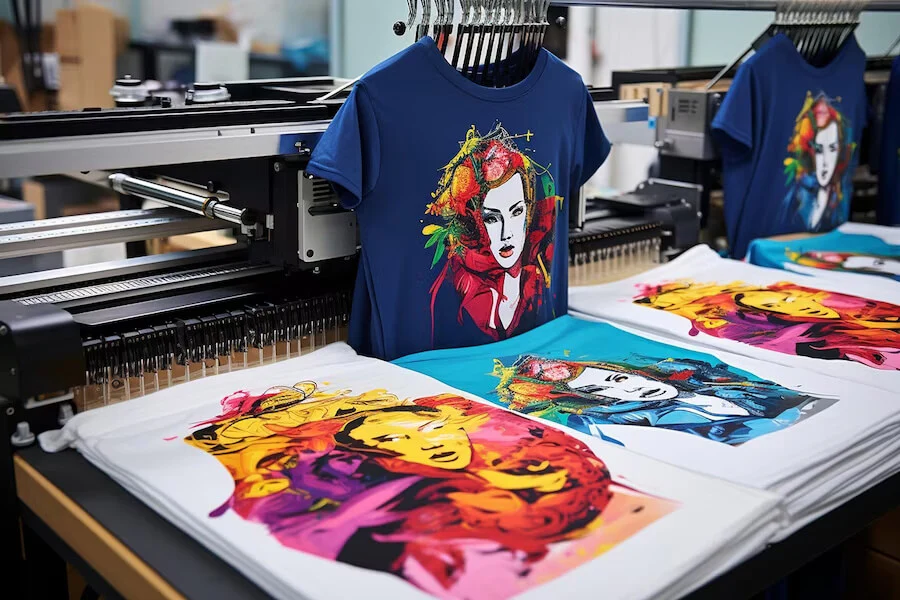
Choosing the right printing method helps you save money, get reliable quality, and meet your deadlines. Screen printing, DTG, and heat transfers all have a place. The key is knowing when each one makes sense.
Screen Printing vs DTG for Small, Detailed, or Quick Orders
Direct-to-garment (DTG) works well when you only need a few pieces. It’s also better for detailed artwork or photo-like designs. Because setup is simple, DTG is fast for one-offs or small runs.
Screen printing shines when you need volume. After setup, each item costs less, which makes bulk orders much cheaper. The thicker ink also lasts longer, giving uniforms, team shirts, or branded gear more durability.
So, in the “DTG vs screen” debate, DTG is best for small, complex jobs. Screen printing is the smarter choice for bulk, bold, and long-lasting designs.
Screen Printing for Logos, Uniforms, and Event Merch
Small businesses often reuse the same logo or design, and combining it with vinyl cutting machines can make production even easier. Staff uniforms, team shirts, and event giveaways are perfect for screen printing. Once the screen is made, reprints become faster and more affordable.
For uniforms or promotional apparel, screen printing creates bold colors that stay sharp even after many washes. That means your brand keeps working for you long after the event is over.
If you need items quickly, screen printing can also handle large batches on a short timeline. Using vinyl cutting machines alongside screen printing makes it reliable when deadlines are tight and strong results are needed.
How Small Businesses Use Screen Printing to Grow
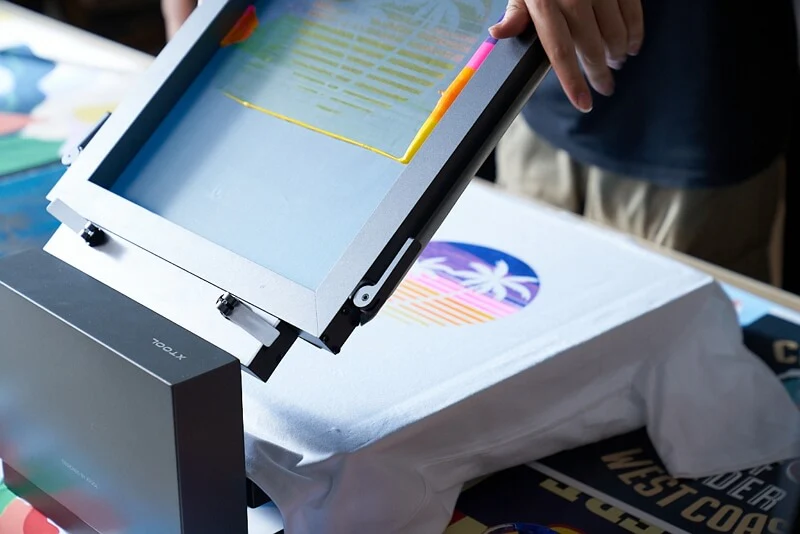
Smart small businesses use screen printing to reach real goals: brand awareness, extra income, and community connections.
Wearable Ads: Employees and Fans as Walking Billboards
Screen-printed shirts turn staff and supporters into walking ads. This boosts brand awareness wherever your people go.
It’s a low-cost marketing tool that works quietly, day after day. One local café dressed its staff in branded tees, catching attention at the farmers market.
These “walking advertisements” are simple, effective, and rely on real people sharing your brand naturally.
Events and Sponsorships That Quickly Boost Visibility
Events and sponsorships pair perfectly with screen printing. Use event tees or tote bags to reward attendees or volunteers. These items act as free event marketing, sparking conversations wherever they go.
A student group gave away branded event shirts. Each shirt drew attention at school and beyond. This is an easy way to boost community outreach.
Extra Revenue from Branded Merchandise
Screen printing isn’t limited to shirts. Tote bags, hats, mugs, and aprons all work. These become promotional products you can sell or give away. One coffee shop sold branded reusable bags.
They were practical, sturdy, and spread the brand far beyond the shop.
You can even include small branded items as free gifts with purchases. Customers appreciate the bonus, share it with friends, and help your brand grow.
Maximizing ROI with Screen Printing
Screen printing isn’t just about making designs—it’s about making smart business decisions. With simple math, careful planning, and smart inventory, small businesses can get real returns without overspending.
Estimate Cost Per Impression vs Paid Ads
A simple way to measure value is cost per impression. Divide your total printing cost by how many times people will see or wear your design. For example, $500 for 100 shirts, each worn 10 times, gives a cost of $0.50 per impression.
Compared to paid ads, which can cost $1.00 or more per view, screen printing often gives more lasting visibility for less money.
Test Small Batches Before Scaling
Don’t order a huge run right away. Start with a small batch to see which designs, colors, and sizes your customers prefer. For example, print 50 shirts first and see which sell fastest. This approach reduces risk, prevents leftover stock, and lets you scale up confidently.
Micro-Inventory: Keep Core Designs Ready
Keep a small stock of your best-selling designs that can be quickly restocked. Track what sells well and reorder only what your customers want. This keeps your inventory lean, avoids waste, and ensures you always have popular items available without tying up too much budget.
Quality Factors That Make or Break Your Results
Your screen-printed items can make a big impact—or fall flat—depending on three key factors: fabric choice, artwork prep, and ink selection. Focusing on these ensures your designs look sharp, last longer, and feel professional.
Pick the Right Fabric for Comfort and Durability
The fabric you choose plays a big role in both comfort and how well your prints last. 100% cotton is soft, breathable, and perfect for vibrant prints, making it ideal for casual wear. Polyester is durable and resistant to shrinking, though colors may not appear as bright, so it works best for sportswear or blended fabrics.
Cotton-polyester blends offer a balance of softness and strength, though higher polyester content can slightly dull colors. Choosing the right fabric ensures your designs stay looking great wash after wash.
Simple Artwork Prep: Bold, Clean, Limited Colors
Local Screen Printer vs Online Ordering
Deciding between a local screen printer and an online service depends on your business goals. Local printers give you hands-on control, faster turnaround, and easier communication.
Online services are convenient and work well if you need repeat orders or ship to multiple locations. Knowing the pros of each helps you choose the best fit for your small business.
In-Person Proofing for Quick Fixes
A local screen printer lets you see samples in person and make quick adjustments. You can fix issues immediately and meet tight deadlines with less stress.
Online Ease for Reorders and Teams
Online printing services are handy if you reorder often or have teams in different cities. They save time and let you manage multiple orders without leaving your office.
Starter Plan for Your First Screen-Printed Merch
Starting your first screen-printed merchandise line doesn’t have to feel overwhelming. With a simple, step-by-step plan, you can launch confidently, test your ideas, and grow your brand without taking big risks. Here’s an easy checklist to get you started:
Choose One Design and Two Brand Colors
Keep it simple. Choose one design that really represents your brand. Stick to two main colors to match your logo or theme. This keeps costs low, production quick, and your merch looking polished and professional.
Order by Audience: Key Sizes and Premium Options
Think about your customers first. Stock the most popular sizes and unisex fits. Add a few premium items, like soft-touch tees or eco-friendly options, to give shoppers a choice and boost sales.
Launch a 14-Day Promo and Track Results
Create excitement with a two-week promotion. Encourage quick purchases and watch how customers respond. Track sales numbers, email signups, and repeat orders to see what works best for your brand.
This simple plan helps you launch your first merch drop with confidence, reduce risks, and build a strong foundation for future growth.
Screen Printing Myths Holding Businesses Back
Screen printing is a powerful tool for small businesses, but common myths often stop owners from using it. Let’s clear them up so you can act with confidence.
“It’s Only for Big Companies” and Other Scale Myths
Many people think screen printing only works for large companies. The truth is, it’s flexible and cost-effective for small businesses too.
Modern printers often accept low minimum orders, so even a startup can get professional-quality prints without overspending. Small runs can meet immediate needs and still allow for repeat orders as your business grows.
Colors Crack and Fade Only with Poor Quality
Another common myth is that screen-printed designs always crack or fade. This only happens if the inks are cheap or not cured properly.
With quality inks and proper curing, prints can stay vibrant and strong for years, even through frequent washing. Small businesses can rely on this durability to create lasting merchandise that keeps their brand visible.
Screen Printing vs DTG: Quick Comparison
| Factor | Screen Printing | DTG (Direct-to-Garment) |
|---|---|---|
| Best For | Large orders with simple designs | Small orders with detailed or full-color designs |
| Order Size | Works best with 24 or more units | No minimum order needed |
| Design Complexity | Bold, solid-color graphics | Detailed or photo-like images |
| Fabric Compatibility | Works on many types of fabric | Best on 100% cotton; less ideal for synthetic fabrics |
| Setup Time | Needs screen prep; takes longer to start | Almost no setup; prints directly |
| Production Speed | Fast for bulk orders | Slower; good for on-demand printing |
| Print Durability | Very durable; lasts many washes | Moderate; may fade faster over time |
| Cost Efficiency | Cheaper per piece for large orders; setup higher | Higher per unit; no setup cost; good for small batches |
| Color Range | Limited by screens; best for 1-3 colors | Unlimited colors; great for complex designs |
| Eco-Friendliness | Uses plastisol inks | Uses water-based inks; more eco-friendly |
You should choose screen printing when you have large orders and want to lower the cost per item. It works best for simple designs, like logos or graphics with one to three colors, and produces long-lasting prints, making it ideal for uniforms or promotional items.
On the other hand, DTG printing is better for small batches or individual items. It handles detailed, colorful, or photo-like designs well and allows you to print as orders come in, which helps keep inventory low and flexible.
Bottom Line:
Pick screen printing for bulk, simple designs that last. Choose DTG for small, detailed, or full-color projects. Think about your order size, design, and budget to make the best choice for your business.
Conclusion
Screen printing isn’t just a way to print designs—it’s a smart tool for small businesses. It lets you create affordable, long-lasting merchandise that keeps your brand visible everywhere.
From custom t-shirts to tote bags or event giveaways, each item becomes a mini marketing tool. It’s cost-effective for bulk orders and makes colors pop, lasting through many washes.
By using screen printing in your branding, you don’t just sell products—you build connections, grow your audience, and make your business memorable in ways other marketing tools can’t match.
FAQs
What is screen printing, and why do small businesses use it?
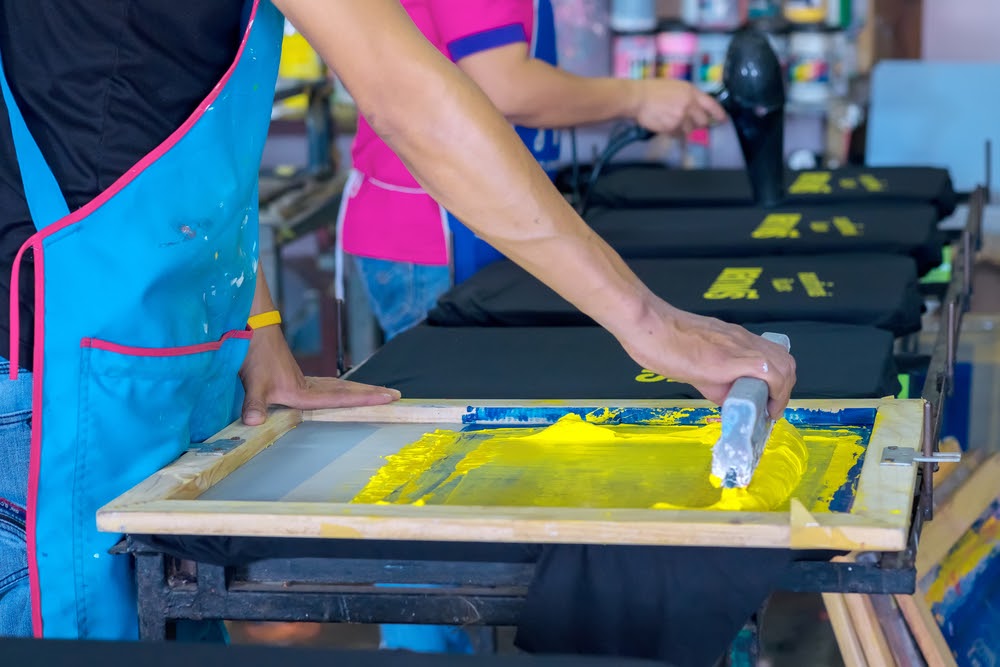
Screen printing pushes ink through a mesh to create durable, vibrant designs, perfect for logos, team shirts, and bulk orders.
How does screen printing compare to DTG printing?
Screen printing is ideal for large, simple orders with lower costs, while DTG suits small, detailed, multicolor designs but costs more in bulk.
Is screen printing suitable for all fabrics?
Yes—cotton, polyester, and blends all work. Fabric type affects print longevity and appearance, so using the right ink and technique is essential.
What are the costs for small businesses?
Setup costs are higher because screens are required, but large orders lower the per-item cost, making it affordable for bulk printing.
Can screen printing be used beyond clothing?
Absolutely. It works on tote bags, hats, mugs, and other promotional items, helping businesses expand products and boost brand visibility.
How can small businesses ensure high-quality prints?
Use quality inks and fabrics, maintain equipment, train staff, and run test prints before full batches. These steps ensure professional, long-lasting results.