



Freelancing can be exciting, but turning it into a thriving business takes more than just skills—it takes smart choices. Successful freelancers stand out by attracting clients, setting fair rates, managing work smoothly and building a reputation that keeps opportunities coming. In this guide, you’ll find practical tips to do all of that. Whether you’re just starting or looking to grow, these simple, proven steps will help you turn your freelance work into a business that lasts and truly succeeds.

What a Thriving Freelance Business Really Means
A thriving freelance business isn’t just about getting clients—it’s about building something profitable, sustainable, and enjoyable. Focus on clear goals, a niche that fits your skills, and services clients understand easily.
Define Success with Clear and Trackable Goals
Set measurable goals to guide your growth: Know your minimum and target monthly income, maintain a steady lead pipeline and aim for a 20–30% profit margin on each project.
Pick a Niche and Service Mix That Clients Understand Quickly
Specialize to stand out: Choose a niche you enjoy and excel at, ensure there’s client demand and focus on one or two services clients value most.

Choose a Profitable Niche and Clear Offer
Standing out as a freelancer starts with choosing a niche that fits your skills and meets real client needs. A focused niche helps you become an expert, attract the right clients, and earn better rates.
Speak to Client Problems, Not Just Skills
Clients care more about solutions than skill lists. Instead of saying, “I offer web design,” say, “I help small businesses create websites that attract more customers.” This shows the value you bring and makes it easy for clients to see why they should hire you.
Package Your Services to Make Sales Easy
Offer one or two clear service packages with defined deliverables and pricing. For example, a “monthly content package” or a “3-hour strategy session.” Clear packages reduce confusion, prevent extra work, and speed up client decisions.
Pricing for Profit: Set Rates That Show Your Value
Pricing your services isn’t just numbers—it’s about valuing your skills and protecting your time. The right rate ensures you earn fairly and work stays manageable.
Freelance Pricing Models: Hourly, Project, Value and Retainers
Hourly rates suit flexible tasks but may cap earnings. Project-based pricing sets a clear fixed price. Value-based pricing boosts income by focusing on impact. Retainers provide steady monthly revenue and build long-term client trust.
Protect Profits with Minimums and Rush Fees
Set a minimum engagement fee so smaller projects are worth your time. Add a rush fee for urgent work to compensate for schedule disruption.
Add a “Scope Buffer” Line Item in Every Estimate
Include a small scope buffer in your estimates to cover extra tasks or unexpected changes. It prevents scope creep and keeps projects manageable.

Building a Steady Client Pipeline
Easy Wins First: Referrals, Warm Outreach and Past Clients
Start with what’s easiest. Ask happy clients for referrals and stay in touch with past clients. A simple check-in can lead to repeat work. Reach out to warm contacts—people who already know your skills—before chasing cold leads.
Authority Channels That Grow Over Time
Create a professional website as a central hub for your work. Share helpful content through a blog, podcast, or guest posts. These channels build credibility and attract clients steadily, even while you focus on projects.
Social Platforms for Discovery and Direct Connections
Use platforms like LinkedIn, X and Instagram to showcase expertise, join conversations and connect with potential clients directly. Consistency matters more than frequency. Leveraging social media marketing effectively can help you grow your audience, attract leads and maintain a steady flow of clients over time.
Keep a Weekly “Pipeline Scorecard”
Track leads, calls, and proposals each week. This simple habit shows what’s working, highlights gaps, and keeps your client pipeline steady.
Simple Sales Process: From Discovery to Close
A clear sales process helps freelancers move confidently from first contact to closing the deal. Using a repeatable workflow saves time and builds client trust.
Discovery Call Script to Spot Fit, Budget and Timeline
Keep discovery calls short and focused. Ask about: Can you share the current situation and what prompted the project? What goals do you want to achieve, and any challenges so far? Also, what’s your budget and timeline? Based on this, I can help. Shall I prepare a proposal?
One-Page Proposal with Milestones and Payment Plan
Keep proposals simple and clear: The project overview shows what you’ll deliver, with clear objectives, key milestones and payment details. This sets expectations and demonstrates professionalism.
Close with a Clear Next Step and Deadline to Sign
End your proposal with a friendly call to action. Ask for a signature by a set date and confirm the start date to ensure a smooth kickoff.
Experience That Drives Reviews and Repeat Work
Creating an amazing client experience goes beyond delivering quality work. It’s about building trust, setting clear expectations, and making every interaction smooth. Happy clients not only leave glowing reviews—they also come back for more.
Client Onboarding Checklist: Forms, Assets and Kickoff
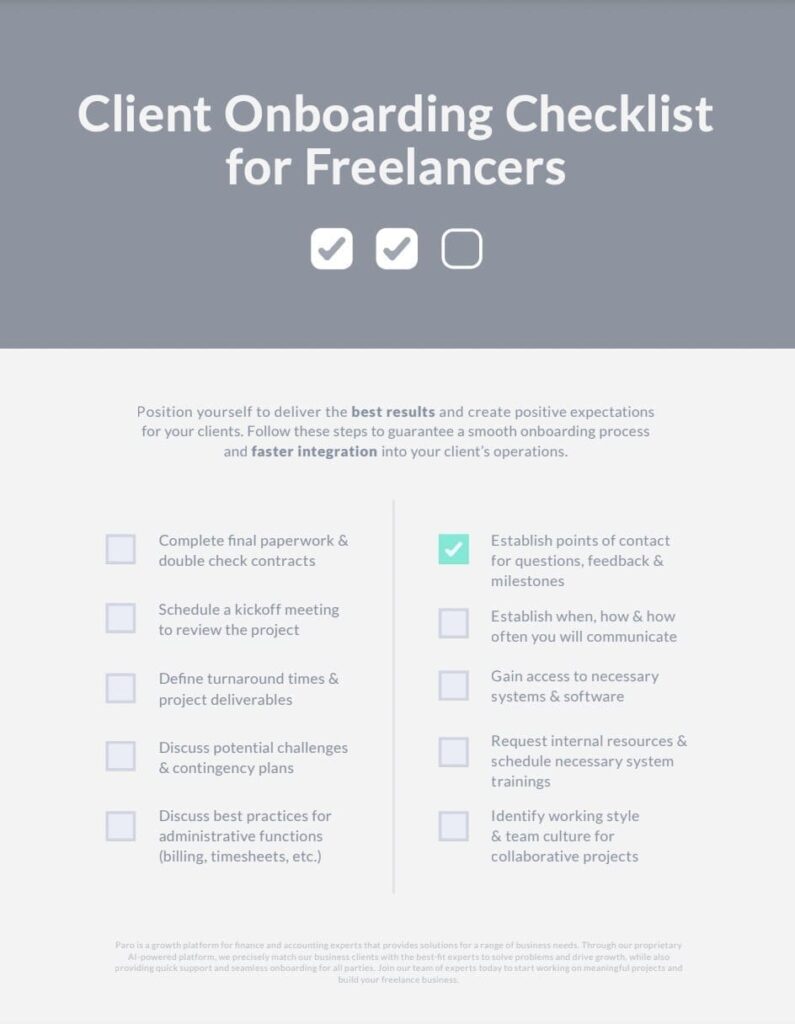
Start every project with a clear onboarding process. Collect client information through an intake form to understand their goals. Gather all necessary assets like logos or content, and organize them in a shared folder. Finally, schedule a kickoff meeting to align on timelines and expectations.
Friction-Free Contracts: Clear Deliverables and Feedback
A clear contract avoids misunderstandings. List all deliverables, define the number of feedback rounds, and include a pause clause if payments are delayed. This protects both you and the client while keeping the project on track.
Project Management Made Simple: Kanban & Weekly Demos
Keep projects organized with simple tools. A Kanban board helps track tasks, weekly updates keep clients informed, and a demo day lets them review work before final delivery. This transparency strengthens trust and satisfaction.
Marketing Tips to Make Freelancers Stand Out
Standing out as a freelancer means making it easy for clients to find you and remember your work. Smart marketing can turn your freelance skills into a steady stream of opportunities.
Publish Case Studies with Client Results and Quotes
Show real results with simple case studies. Explain the problem your client had, the solution you provided, and the outcome. Include short quotes from clients to make your work credible and relatable.
Build a Strong SEO Base with Service Pages and FAQs
Create clear service pages and answer common client questions in an FAQ section. Link related pages within your website to make navigation smooth. Use simple, relevant words that potential clients might search for.
Nurture an Email List: Share Tips, Offers and Client Wins
Send a regular email with helpful tips, updates, and short client success stories. Keep it friendly, valuable, and not salesy. This keeps clients interested and reminds them of your services.
Smart Money Management for Freelancers
Managing money as a freelancer can feel tricky, but simple habits make a big difference.
Set a Simple Budget and Save for Taxes
Track your income and expenses, and set aside a portion for taxes. Know how long your savings can cover expenses if work slows down. A clear budget and runway give peace of mind.
Invoice Terms to Safeguard Your Cash Flow
Ask for upfront deposits and set milestone payments for larger projects. Clearly state late fees to encourage timely payments and protect your cash flow.
Invest in Tools and Learning to Boost Quality and Output
Spend on tools that save time and improve work quality. Invest in courses or training that sharpen your skills. These small investments pay off in efficiency and client satisfaction.
Work Smarter with Systems and Tools
Working smarter, not harder, is key to a thriving freelance business. Standard Operating Procedures (SOPs) help you deliver work consistently, save time, and reduce mistakes.
Document Key Steps for Delivery and Communication
Write down steps for recurring tasks like client onboarding, proposals, and project handoffs. Checklists ensure nothing gets missed and every client experience stays smooth.
Time-Blocking and Distraction Control for Deep Work
Set focused time blocks for important tasks and schedule short breaks. Turn off notifications and minimize distractions to stay productive and maintain quality.
Essential Tools: Time Tracking, Proposals, E-Sign, Accounting
Use a few essential tools for tracking hours, sending proposals, getting approvals, and managing invoices. A simple setup reduces admin work and keeps you focused on your clients.
Smart Ways to Delegate or Subcontract Your Work
Growing your freelance business isn’t just about taking on more work—it’s about working smarter. Knowing when to delegate or subcontract can help you stay productive and stress-free.
Hire a Project Manager or Specialist to Clear Bottlenecks
If projects start piling up, bring in a project manager or specialist. They can handle tasks efficiently, letting you focus on clients and growth.
Use SOPs and Checklists for Consistent Work
Set clear guidelines for your team. Standard briefs, simple procedures, and quality checks make sure every project meets your expectations.
Consider Retainers for Steady Revenue Before Hiring
Secure a few retainer clients first. This ensures steady income to support new hires and keeps your business financially stable.
Boost Reputation with Reviews & Community
Request Reviews After Each Milestone
Don’t wait until a project is over to ask for feedback. Request reviews after each milestone. This gives timely, honest testimonials and shows clients you care about every stage of the project. Small, consistent praise builds a stronger reputation over time.
Join Communities and Business Groups to Stay Visible
Engage in communities and groups where your clients hang out. Share tips, answer questions, and connect genuinely. Being active helps people remember you, increases referrals, and positions you as a trusted expert in your field.
Showcase Wins with Social Proof and Case Studies
Share your project successes as posts or case studies. Highlight the problem, your solution, and the results. Include client feedback and measurable outcomes. This builds trust and shows potential clients the value you deliver.
Protect Your Time, Scope and Sanity
Freelancing is flexible, but without boundaries, it can lead to stress, burnout, or lost income. Smart risk controls help you stay in charge and keep your business running smoothly.
Red-Flag Checklist for Clients, Scopes and Timelines
Watch for signs of a difficult client, like unclear communication, slow responses, or unrealistic deadlines. Set clear agreements from the start, outlining deliverables, timelines, and responsibilities to keep work on track.
Stop-Loss Rule for Late Payments and Scope Creep
Set clear rules to protect your time and income. Pause work for overdue payments and charge for extra tasks. These boundaries keep your workload manageable and your freelance business stress-free.
Mindset and Habits for Freelance Success
Freelancing isn’t just about delivering great work—it’s about staying motivated and steady through ups and downs.
Consistency Over Intensity: Weekly Marketing Rhythm
Small, steady actions often work better than occasional bursts of effort. Spend time each week on marketing, checking progress, and planning next steps. This keeps your business moving forward without burning out.
Learn from Others and Use Tech to Stay Ahead
Pay attention to how other freelancers succeed and adapt their strategies to your work. Use simple tools and tech to streamline tasks, save time, and stay competitive.
Little-Known Tips to Boost Your Freelance Business
Build a Client Advisory Board to Improve Services
A Client Advisory Board (CAB) helps you improve services and understand what clients really need. It’s a simple way to get honest feedback and keep your business on track.
Invite 5–7 Former Clients for Feedback Calls and Short Surveys
Pick a handful of past clients who know your work well. Schedule short quarterly calls, around 30–40 minutes, to ask about their experience and suggestions. Follow up with quick surveys to gather practical insights. Keep it friendly, focused, and respectful of their time.
Offer Perks in Exchange for Insights
Show appreciation by giving your advisory board small perks: a free service review, early access to new offerings, or discounts on add-ons. This makes clients feel valued and encourages honest, helpful feedback.
Use an AI Prompt Library to Boost Delivery Speed
Managing multiple projects can get overwhelming. One way to work faster without extra help is to build an AI prompt library and use simple automation tools.
Save Prompts, Briefs and QA Checklists for Repeat Tasks
Keep a central collection of your frequently used prompts, project briefs, and quality checklists. This makes it easy to reuse them, stay consistent, and save time on repetitive tasks.
Automate Intake, Status Updates and File Handoffs
Set up simple automation for client onboarding, project updates, and file sharing. Using no-code tools can reduce manual work and free up time for actual project delivery.
FAQs
Q1: How can I attract more clients without spending a lot?
Focus on building a strong personal brand and network. Share your work, engage in industry communities, and encourage referrals from past clients.
Q2: What habits make freelancers successful?
Successful freelancers manage their time well, communicate clearly, deliver quality work, and keep learning. They also build strong client relationships.
Q3: How do I set rates that are fair and profitable?
Check industry standards, value your skills, and adjust rates as your experience grows. Regularly review pricing to stay competitive.
Q4: How can I manage multiple projects without stress?
Use time-blocking or task management methods. Prioritize urgent work, track deadlines, and don’t hesitate to delegate when needed.
Q5: Should I specialize or offer a broad range of services?
Specializing helps you stand out, while offering variety brings more opportunities. Choose based on your strengths and what the market needs.
Q6: How should I handle client disagreements?
Stay professional and communicate openly. Address issues quickly, understand the client’s view, and rely on clear agreements to prevent problems.
Q7: What tools help run a freelance business smoothly?
Use simple project management, time-tracking, and invoicing tools. Pick tools that save time and help you stay organized.
Q8: How can I maintain consistent income?
Diversify clients, create long-term contracts, and review your services regularly. Retainers and recurring projects help keep cash flow steady.
Q9: What common mistakes should I avoid as a freelancer?
Don’t underprice, skip contracts, or overcommit. Set clear boundaries, realistic expectations, and review your business practices often.
Q10: How can I scale without losing quality?
Outsource repetitive tasks, invest in skill growth, and build a reliable team or collaborators to maintain high standards.
Conclusion
Building a successful freelance business isn’t just about working harder—it’s about working smarter. By using the tips shared here, you can simplify your processes, attract the right clients, and keep your business growing steadily.
Success comes from combining your skills with good systems and strong client relationships. Stay flexible, keep learning and adjust your approach as you go. With patience, persistence and the right mindset, you can turn your freelance work into a thriving, sustainable business that brings both satisfaction and results.