



Running a small business comes with challenges, but standing out doesn’t have to cost a fortune. Screen printing gives owners an easy, affordable way to showcase their brand on shirts, bags, or uniforms. Over the years, I’ve watched small shops use this simple method to build trust, attract new customers, and look more professional. With just a little setup, you can turn everyday products into marketing tools that work for you.
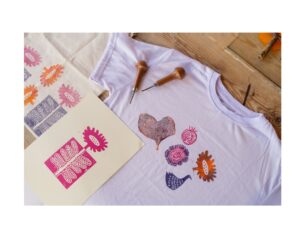
Step-by-Step Guide: How Screen Printing Works
From Design to Print-Ready Image
Start with your design and print it onto a clear sheet, like acetate or transparency. The solid black parts block light—these dark areas are where the ink will go later.
This film becomes your guide, helping transfer the design onto a screen so you can create a stencil. Using screen printing makes this process straightforward, allowing you to turn your designs into vibrant, professional-looking prints with ease.
Preparing the Screen: Emulsion, Mesh and Stencils
Choose a fine mesh screen that matches the detail level of your design. Coat the screen with a light-sensitive emulsion and let it dry in a dark, dry place. Once ready, place your printed film on the screen and expose it to bright UV light.
The light hardens the emulsion everywhere except under the dark areas of your design. Wash the screen with water, and the unexposed parts rinse away, leaving a stencil that lets ink pass through only where you want it.
This process is perfect for anyone using screen printing kits for beginners, making it simple to create professional-looking prints at home.
Printing and Curing: From Start to Finish
Place the screen stencil over your shirt, poster, or bag. Add ink at the top and pull a squeegee across the screen. This forces the ink through the stencil and onto your material in neat, even layers.
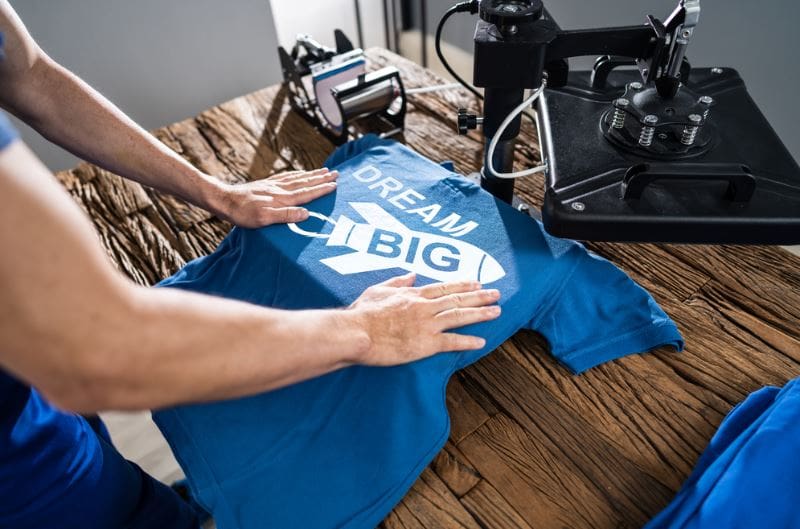
To finish, cure the print with heat so the ink bonds permanently. This step makes the design long-lasting and able to handle washes or everyday use.
Why It Makes Sense for Small Business Owners
Screen printing is straightforward, reliable, and cost-friendly. Once a screen is prepared, you can produce many items quickly without extra effort. For small businesses, it’s an affordable way to create professional-looking products that help promote your brand and attract more customers.
Essential Screen Printing Tools for Small Shops
Manual Presses, Squeegees, Screens, and Dryers
Every small shop starts with a few key tools. A manual press, often a simple 4-color model, gives beginners control and precision. Strong screens are essential. Aluminum frames hold up longer, while wooden ones can bend or warp.
A couple of good squeegees—one for fine details and one for larger prints—make your work easier. For curing, a basic flash dryer or heat gun will get the job done. As orders grow, a conveyor dryer can save time and ensure every print cures evenly.
When to Upgrade to Automatic Presses
Manual presses are great for small runs, but they can be tiring when volume increases. If orders pile up, an automatic press may be worth considering. It reduces labor, improves consistency, and speeds up production.
Upgrading to larger dryers or more advanced equipment also makes sense once the business has steady demand. The key is to invest when the workload justifies the cost.
Starter Kits vs. Quality Screen Printing Gear
Starter kits often look attractive because of their low price, but many fall short in quality. They can slow down learning and lead to wasted money when parts break. Instead, consider investing in solid, mid-range tools or even good used equipment.
Reliable presses, sturdy screens, and dependable curing gear will last longer, deliver better results, and actually save you money over time.
From Hobbyist to Small Business Owner
How to Plan Your Screen Printing Business
A solid business plan is your roadmap to success. Start by defining your goals—do you want a side hustle or a full-time business? Identify your target customers, such as local shops, schools, or event organizers, and decide on a pricing strategy that covers costs while staying competitive.
Include startup expenses, like equipment, materials, and marketing. Planning your revenue streams and milestones will help you stay focused and make smarter decisions as your business grows.
Setting Up Your Business Legally
Setting up your business legally is essential. Choose the right business structure, like a sole proprietorship, LLC, or corporation. Pick a unique business name and register it with the state.
Apply for an EIN for taxes and hiring purposes. Depending on your location, you may also need local licenses or sales tax permits. Doing this early protects you and makes your business look professional.
Financial Basics: Accounts and Budgeting
Good money habits keep your business running smoothly. Open a separate business bank account to track finances clearly. Set up a simple accounting system to monitor income, expenses, and profits.
Create a budget including fixed and variable costs, and review it regularly. Don’t forget to set aside funds for taxes and reinvesting in your business. Clear financial management makes growth easier and less stressful.
Pricing, Marketing, and Growing Smart
How to Price Your Prints for Profit
Setting the right price is key for your screen printing business. It’s not just about covering costs—it’s about making a healthy profit.
Start by calculating your expenses: the garment, ink, and any other supplies. Add a fair markup for your time and effort.
Consider offering volume discounts. Larger orders encourage repeat customers and make production more efficient.
Remember, pricing isn’t fixed. Review your costs regularly and adjust so every sale contributes to your growth.
Easy Marketing Ideas for Small Print Shops
Marketing doesn’t have to be expensive. You can reach more customers by posting high-quality photos of your products, behind-the-scenes shots, and customer testimonials on social media.
Partnering with local businesses like cafes, gyms, or schools can also help, allowing you to provide merchandise in exchange for exposure. Attending community events, such as fairs, markets, or charity drives, gives you a chance to showcase your work and meet potential clients.
Sending email newsletters with new designs, promotions, or updates keeps your audience engaged. Using these strategies consistently can grow your reach and boost sales.
Common Mistakes to Avoid as You Grow
Growing your business can be exciting, but it comes with risks. Common mistakes include underpricing, which undervalues your work and affects profitability. Poor scheduling can frustrate customers, so maintain a clear system for managing orders and production timelines.
Neglecting customer service hurts trust and loyalty, while ignoring equipment maintenance can lead to costly repairs and downtime. Lack of organization, such as mismanaging orders, inventory, or processes, can also create confusion.
By avoiding these pitfalls, you can ensure your business grows steadily and sustainably.
Easy Tips for Perfect Prints
Aligning Screens and Controlling Ink Flow
Getting sharp and consistent prints starts with proper screen alignment and controlling the ink. Use registration marks in your design to keep colors and images perfectly lined up, and take your time positioning the screen accurately before printing each batch.
Small tools or simple jigs can help maintain alignment and reduce mistakes. For ink control, adjust squeegee pressure to spread ink evenly without smudging, check ink thickness—thinner ink flows better while thicker ink gives more coverage—and monitor the amount of ink to avoid uneven prints.
Focusing on these steps ensures every print looks clean, professional, and consistent.
Screen Cleaning and Maintenance Basics
Keeping your screens and tools clean is essential for long-lasting equipment and high-quality prints. After each use, scrape leftover ink back into the container to reduce waste, then wash screens with water and a soft brush to remove all ink and residue, making sure no areas are clogged.
Check screens for tears or stretched mesh before use, and store them upright in a dry, safe place to prevent warping. When necessary, remove old emulsion to reclaim screens for future projects. Regular cleaning and care ensure your prints stay sharp and your equipment lasts longer.
Unique Tips Competitors Missed
Screen Printing or DTF: Which Works Better?
When choosing how to print custom apparel, picking the right method can save time and money. Direct-to-Film (DTF) printing is a cost-friendly, high-resolution alternative to traditional screen printing, especially for small batches.
Cost-Effective for Small Orders
DTF printing has lower setup costs, making it ideal for businesses that focus on personalization or fast, small orders.
High-Resolution Prints
This method captures fine details and complex designs, including gradients and small text, more easily than screen printing.
Flexibility and Speed
DTF allows quick design changes and faster production, helping small businesses respond to customer requests efficiently.
Considerations
While DTF is excellent for small batches and detailed designs, screen printing can still be better for large orders with simpler artwork.
Green and Compact Screen Printing Setups
Sustainability is more than a trend—it can attract eco-conscious customers and help your business stand out.
Eco-Friendly Inks and Materials
Using water-based or plant-based inks reduces environmental impact and keeps your prints safe and vibrant.
Efficient Use of Space
Compact equipment and organized workspaces help home entrepreneurs maximize efficiency without cluttering their area.
Sustainable Practices
Recycling materials, reducing waste, and using energy-efficient tools can save money while supporting the environment.
Community Engagement
Partnering with local groups or promoting sustainable practices can boost your brand’s reputation and draw in loyal customers.
By exploring alternatives like DTF and embracing eco-friendly, space-saving practices, small business owners can stand out, save costs, and appeal to modern consumers.
Conclusion
Screen printing gives small business owners an affordable and creative way to grow their brand. With low startup costs and the ability to make high-quality, durable prints, it’s accessible for DIYers and entrepreneurs alike.
Whether printing custom apparel, promotional items, or unique designs, this method offers flexibility across many materials. By exploring eco-friendly practices and new technologies like Direct-to-Film (DTF) printing, you can expand your options and attract more customers.
With the right tools, planning, and focus on quality, screen printing can become a rewarding, scalable part of your business journey.
Frequently Asked Questions:
1. How Does Screen Printing Work?
Screen printing presses ink through a mesh stencil onto fabric, with each color using a separate screen for precise results.
2. Why Choose Screen Printing for Clothing?
It’s popular for durable, high-quality prints on many garments and is cost-effective for larger, vibrant designs.
3. Which garments can be screen printed?
You can print on t-shirts, hoodies, hats, shorts, bags, jackets, and more. Most fabrics, like cotton, polyester, and blends, work well with screen printing.
4. How long does a screen printing job take?
Turnaround time depends on design complexity, order size, and materials, typically taking about one to two weeks for standard projects.
5. Should I Supply My Design for Printing?
Yes, printers usually require vector artwork (AI, EPS, SVG) for scaling. Keep designs clear, as tiny details may not print well.
6. Which Designs Print Best?
Bold designs with solid colors and clear edges work best. Detailed artwork can be printed, but it may require extra setup and cost more for larger runs.
7. What are special effects in screen printing?
Screen printing can include effects like glitter, foil, puff, and glow-in-the-dark. These effects add depth and make your designs more eye-catching.
8. How to Pick a Screen Printing Company?
Choose a provider with experience, a solid reputation, a strong portfolio, good customer service, and reliable turnaround times.